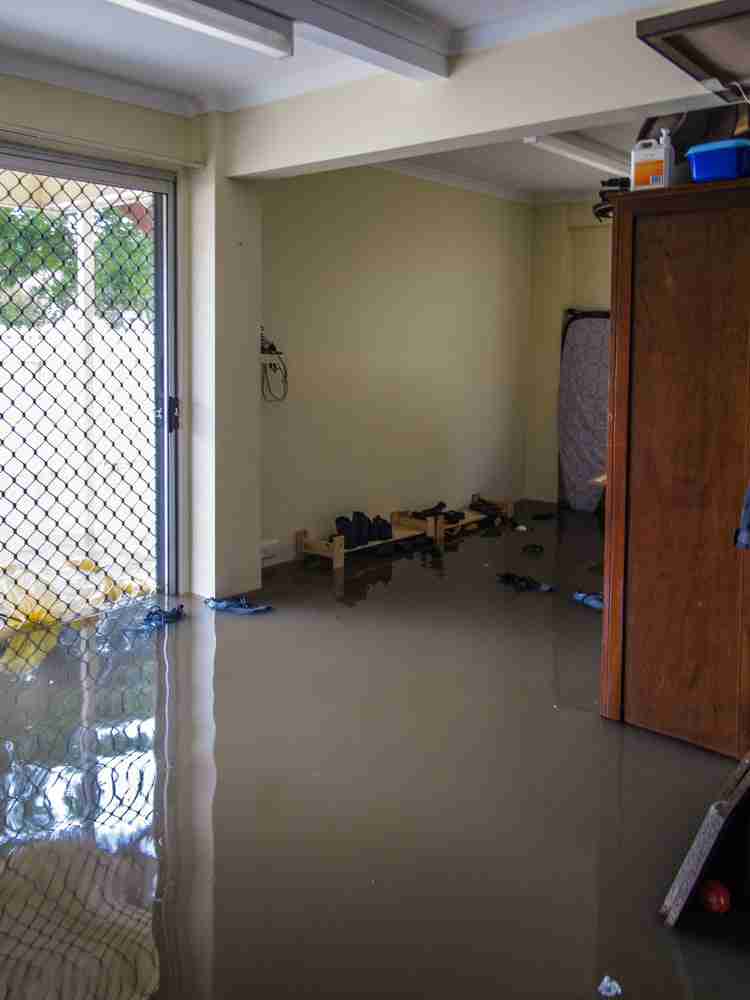
When Utah’s temperatures drop and snow starts to blanket our beautiful mountains and valleys, winter brings a whole new set of challenges for homeowners. One of the most common and costly problems we see during the cold season is water damage. At AAA Restoration, we’ve spent years helping homeowners across Utah recover from water disasters big and small, and we’ve seen it all: burst pipes, ice dams, basement floods, and everything in between.
If you’re wondering how winter weather causes water damage or how to protect your home from it, you’re in the right place. Consider this your go-to guide for winter water damage prevention, detection, and restoration. We’re breaking it all down so you can stay safe, warm, and dry all winter long.
Key Takeaways:
- Winter water damage is common in Utah due to frozen pipes, ice dams, and snowmelt flooding.
- Frozen pipes are the leading cause of winter water damage. Insulate and monitor pipes in unheated areas.
- Ice dams form on roofs and can lead to interior leaks if snow isn’t managed properly.
- Warning signs of winter water damage include stains, odors, warped floors, and high water bills.
- Prevent damage by sealing air leaks, insulating pipes, and maintaining your roof and gutters.
- If water damage occurs, act fast: shut off water, turn off electricity, and call a professional.
- AAA Restoration provides 24/7 water removal, drying, mold prevention, and full-service reconstruction.
Why Winter Is Prime Time for Water Damage in Utah
Winter in Utah can be beautiful, but the freeze-thaw cycles, heavy snow, and sudden cold snaps make homes vulnerable to water intrusions. Here are a few reasons why we get so many emergency calls this time of year:
Burst & Frozen Pipes
This is the #1 cause of winter water damage in Utah homes. When temperatures plunge, the water inside your pipes can freeze. As the water freezes, it expands, putting intense pressure on your pipes. Eventually, they can crack or burst, sending gallons of water flooding into your home.
Ice Dams on Roofs
Ice dams form when snow on your roof melts, trickles down to the edge, and refreezes. This creates a wall of ice that traps melting snow behind it. With nowhere to go, that water can back up under your shingles and leak into your attic, walls, and ceilings.
Snowmelt Flooding
Even after the deep freeze, damage can happen during the thaw. Rapid snowmelt can overwhelm your home’s drainage systems, leading to flooding around your foundation or basement, especially after a big storm or a warm day.
HVAC and Appliance Leaks
Winter puts added stress on heating systems, water heaters, and even dishwashers or washing machines. If a unit malfunctions or a pipe connection fails, it can cause a slow leak that turns into major water damage before you even notice.
The Warning Signs of Winter Water Damage
Not all water damage is instant or obvious. Sometimes it creeps in slowly, or can be hidden behind walls, under floors, or in the attic. Knowing what to watch for can save you thousands in repairs.
- Sudden spikes in your water bill
- Strange odors (musty, damp smells)
- Stains on ceilings or walls
- Sagging drywall or bubbling paint
- Unexplained drafts or cold spots
- Visible mold or mildew
- Warped wood or buckling floors
If you notice any of these signs, don’t wait, call a professional right away. The sooner we catch and correct the issue, the less damage it causes.
How to Prevent Winter Water Damage
We believe the best kind of restoration is the one you never need. Here’s how to prep your home for the season ahead.
1. Insulate Pipes
Use pipe insulation sleeves or heat tape on exposed pipes, especially those in unheated areas like basements, attics, garages, or crawlspaces. You can also open cabinet doors under sinks to let warm air circulate around pipes.
2. Keep the Heat On
Even if you’re heading out of town, keep your home’s thermostat at 55°F or higher. The slight bump in your heating bill is a lot cheaper and less stressful than a burst pipe and water damage repair.
3. Clear Gutters and Downspouts
Clogged gutters trap melting snow and ice, increasing the risk of ice dams. Make sure water can flow freely off your roof and away from your home’s foundation.
4. Seal Air Leaks
Cold air seeping in through cracks can lower the temperature around your pipes. Use caulk or weatherstripping around windows, doors, and sill plates to keep heat in and cold air out.
5. Install a Sump Pump or Water Sensor
For homes prone to flooding or moisture buildup, a sump pump can be a game changer. Water sensors near your appliances or in the basement can also alert you to leaks early and allow you to address them before they become disasters.
6. Maintain Your Roof
Have your roof inspected before winter hits. Repair missing shingles, check flashing around vents and chimneys, and make sure your attic is properly insulated and ventilated to prevent ice dams.
What to Do If You Discover Winter Water Damage
If you suspect or discover water damage in your home this winter, here’s what you should and should not do:
Do:
- Shut off the water source if you can (main valve or appliance line)
- Turn off electricity in affected areas if water is near outlets or cords
- Move belongings to a dry area to prevent further damage
- Call a certified restoration company like AAA Restoration immediately
Don’t:
- Try to tear out wet materials yourself, this can spread mold
- Ignore “small” leaks or damp spots
- Use space heaters or blow dryers, they can cause fire hazards
- Wait to call your insurance provider
We’ll work directly with your insurance and help document everything. Our job is to make the restoration process as quick and stress-free as possible, so you can get your home (and life) back to normal.
Winter Water Damage in Utah: Local Challenges, Local Experts
Utah’s winter weather is no joke, and neither is water damage. Our region’s unique climate, with cold nights and sunny days, creates the perfect conditions for ice dams, freezing pipes, and rapid snowmelt. That’s why you need a restoration partner who understands the terrain, the weather, and the best strategies for protecting your home.
At AAA Restoration, we’ve proudly served Utah families and businesses for over 30 years. Our team is IICRC-certified, highly trained, and locally based, so when we say we understand what you’re going through, we mean it.
Whether you’re in Salt Lake City, Provo, Ogden, or Park City, we’ve helped your neighbors, and we’re ready to help you too.
Don’t Wait for the Melt. Call AAA Restoration Today
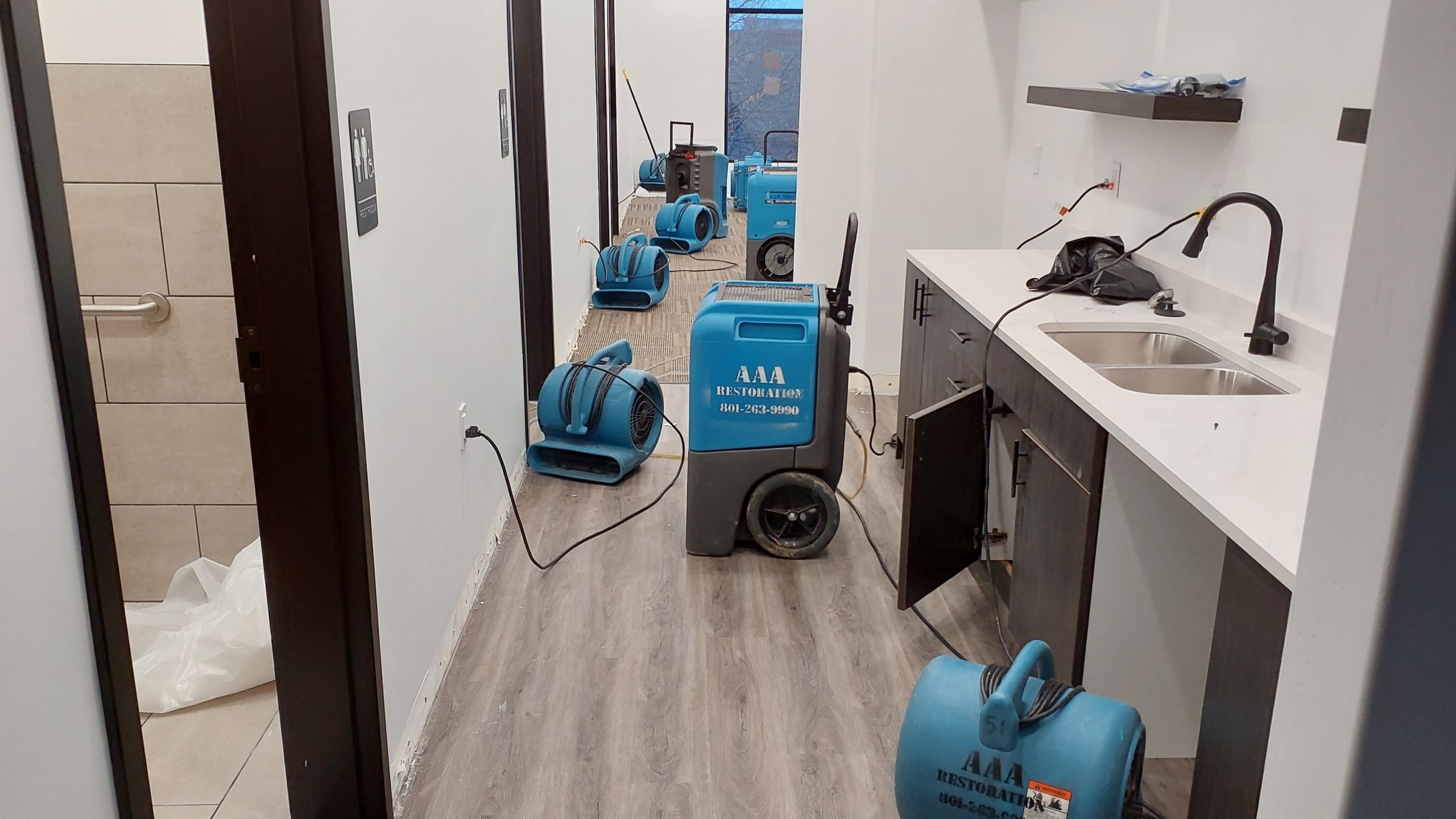
Winter water damage doesn’t have to catch you off guard. Whether you’re dealing with frozen pipes, water in the basement, or signs of mold, AAA Restoration is here to help. Our team is local, experienced, and ready to respond 24/7.
Let us take the stress out of winter water damage restoration so that you can focus on enjoying the season, not fixing your home.
We’re here when you need us, with fast, reliable, and professional restoration services you can trust. Call AAA Restoration now to schedule a free assessment.