
If you’re asking does homeowners insurance cover flood damage, the short answer is usually no. Standard homeowners policies exclude flood damage caused by rising water, heavy rain, or storm runoff. That said, there’s more nuance to it, and knowing the details now can save you from a costly surprise later.
At AAA Restoration, we work with homeowners across Salt Lake City, Ogden, and Provo who are often surprised to learn what their policy actually covers. In this guide, we’ll break down what’s typically included, what’s excluded, and what Utah homeowners should do to protect their homes.
Key Takeaways
- Standard exclusion: Homeowners insurance typically does not cover flood damage from rising water or heavy rain.
- Separate policy needed: Flood insurance, often through the National Flood Insurance Program (NFIP), covers what homeowners insurance doesn’t.
- Water damage is different: Sudden water damage from a burst pipe is usually covered, but slow-moving flood water is not.
- Zone doesn’t mean safe: Homes outside official flood zones can still flood, especially with Utah’s spring snowmelt and runoff.
- Restoration help exists either way: Whether or not your claim is approved, professional restoration can limit further damage.
What Homeowners Insurance Typically Covers
Most homeowners policies cover sudden, accidental water damage. This includes a burst pipe, an overflowing washing machine, or a failed water heater. In these cases, your insurer typically covers the cost of repairs and restoration.
However, coverage changes quickly once water comes from an outside source. That’s where the line between water damage and flood damage becomes important, and it’s a distinction many homeowners don’t learn until it’s too late.
Why Flood Damage Is Usually Excluded
Insurers exclude flood damage because flood risk affects entire neighborhoods, not just one home. As a result, insurance companies treat it as a shared, large-scale risk rather than an isolated incident.
- Rising water from heavy rain or storm surge is considered flood damage, not water damage.
- Water entering through the ground, foundation, or grading issues is also typically excluded.
- Snowmelt and spring runoff flooding fall under this same exclusion in most standard policies.
Because of this exclusion, many homeowners find out only after filing a claim that flood damage isn’t included.
Flood Damage vs. Water Damage — Why the Distinction Matters for Claims
The source of the water is what matters most to your insurer. Water damage from inside your home, like a burst pipe, is usually covered. Flood damage from outside your home, like rising water after a storm, usually isn’t.
This distinction is also why documentation matters so much during a claim. Our guide on how to file a water damage insurance claim walks through exactly what to capture and when.
Basement flooding is a common gray area. If it’s caused by a sewer backup or a pipe issue inside the home, it may be covered. If it’s caused by rising groundwater or surface flooding, it typically isn’t.
Not Sure What Your Policy Covers?
Whether it’s flood damage or water damage, AAA Restoration can help you understand next steps and start recovery fast.
Do You Need Separate Flood Insurance in Utah?
In Utah, flood risk isn’t limited to hurricanes or coastal storms. Instead, spring runoff and rapid snowmelt cause a real and recurring flood risk each year, especially in areas near canyons, rivers, and mountain runoff paths.
- Homes near rivers, canyons, or low-lying areas face higher flood risk each spring.
- Flood zones are helpful guides, but they don’t guarantee safety outside their boundaries.
- A separate flood insurance policy fills the gap that standard homeowners insurance leaves open.
For a closer look at this seasonal risk, check out our guide on spring snowmelt flooding in Utah and what homeowners should prepare for.
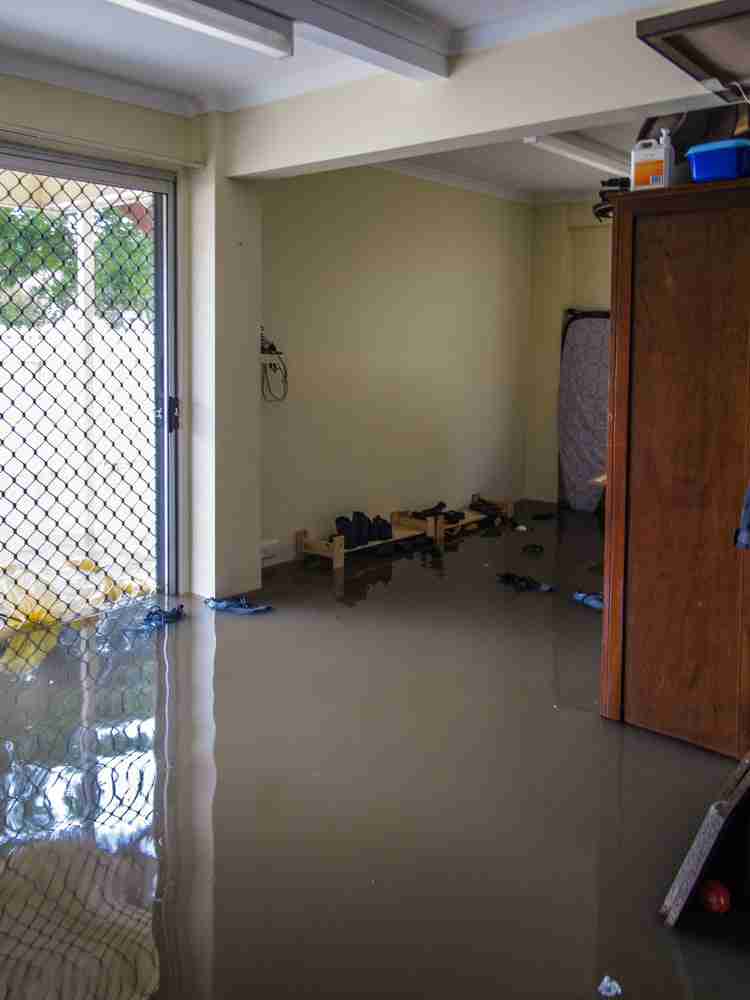
What the NFIP Covers (and What It Doesn't)
The National Flood Insurance Program, or NFIP, is the primary source of flood insurance for most homeowners. It covers structural damage and some contents, up to set policy limits.
- NFIP typically covers structural elements like flooring, drywall, and electrical systems.
- Personal belongings are covered separately, and often at a lower limit.
- Basements have limited coverage, even for finished spaces, under most NFIP policies.
Even when an NFIP claim is approved, the cleanup and drying process still requires fast action. Our Water Damage Restoration team can begin extraction and drying while your claim is being processed, so damage doesn’t get worse in the meantime.
Dealing With Flood or Water Damage Right Now?
AAA Restoration offers 24/7 emergency response, regardless of where your claim stands.
Is Sewer Backup Covered by Homeowners Insurance?
Sewer backup is another commonly misunderstood exclusion. Standard homeowners insurance usually doesn’t cover it unless you’ve added a specific endorsement. This add-on is often affordable and worth discussing with your insurance agent, especially if your home has a basement.
What to Do If You Experience Flood Damage
If flood damage happens, acting quickly protects both your home and your claim.
- Document the damage with photos and video before starting cleanup.
- Contact your insurance provider to report the damage and ask about coverage.
- Avoid contact with floodwater, since it may be contaminated.
If mold develops after flooding, which can happen quickly in damp conditions, our Mold Remediation team can safely remove it and help prevent it from returning.
Frequently Asked Questions
Does homeowners insurance cover flood damage from heavy rain?
Typically, no. Standard homeowners insurance excludes flood damage caused by heavy rain, storm surge, or rising water. You'll need a separate flood insurance policy, often through the National Flood Insurance Program, to be covered for this type of damage.
What's the difference between flood damage and water damage for insurance?
Water damage from a burst pipe or appliance is usually covered by homeowners insurance. Flood damage, caused by rising water from outside your home, is not. Insurers draw this line because flood risk is shared across a wide area, not isolated to one home.
Do I need flood insurance if I don't live in a flood zone?
Yes, flooding can happen outside mapped flood zones. In fact, a large percentage of flood claims come from properties outside high-risk zones. Utah's snowmelt and spring runoff can cause flooding in areas that aren't officially designated as flood zones.
Is sewer backup covered by homeowners insurance?
Sudden sewer backup is sometimes covered, but only if you've added a specific endorsement to your policy. Standard homeowners insurance usually excludes sewer backup damage unless this optional coverage has been purchased in advance.
What should I do if my flood damage claim is denied?
First, review your policy's denial letter for the specific reason. Then, contact your insurer to ask about appealing the decision. If the damage was flood-related, a separate flood policy may still apply, so it's worth checking both.
Not Sure Where You Stand? We Can Help Either Way.
Understanding whether your policy covers flood damage is only half the battle. Once damage happens, fast action matters just as much as coverage. AAA Restoration provides 24/7 emergency response across Salt Lake City, Ogden, Provo, and surrounding Utah communities, whether your claim is flood-related, water damage, or somewhere in between.
Ready to talk to someone now? Contact AAA Restoration for 24/7 emergency service, or call us directly using the number below.
Flood Damage Already Happening?
Don’t wait on your claim to start recovery. AAA Restoration is available 24/7 to help.


