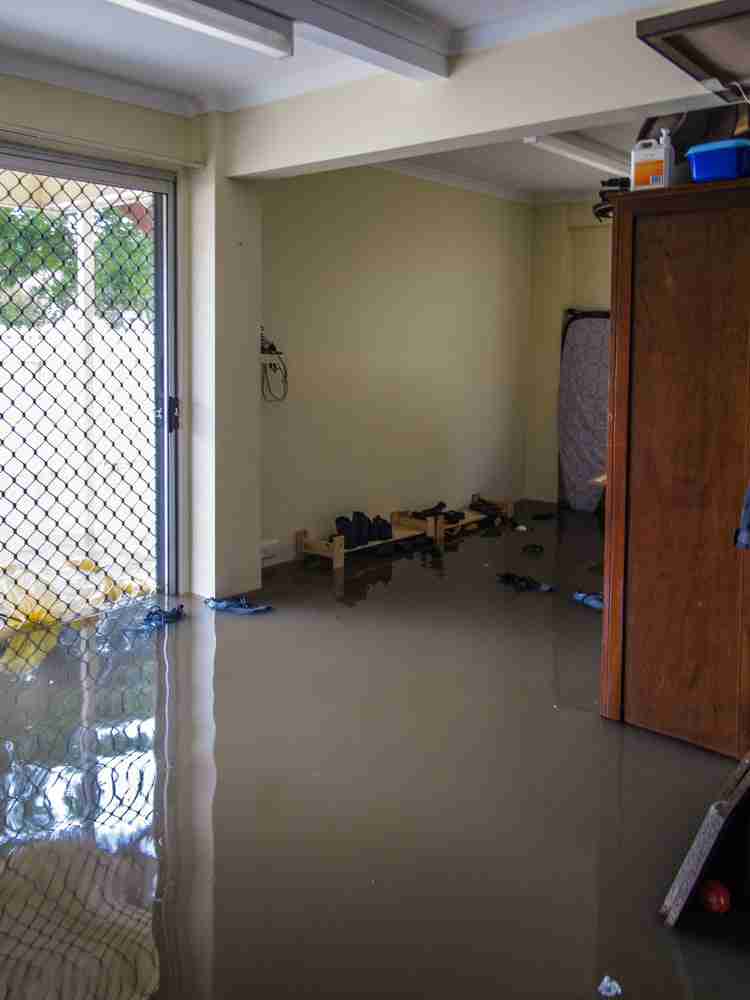
Water damage never waits for a convenient time. Whether it’s a burst pipe, a failed water heater, or a flooded basement, you need to know what to do while waiting for water damage restoration professionals to arrive. The steps you take in the first hour can make a real difference in how much damage your home ends up with.
At AAA Restoration, we’ve helped homeowners across Salt Lake City, Ogden, and Provo through this exact situation. First, we’ll walk you through the safety checks you need to make. Then, we’ll cover how to stop the damage from spreading, how to remove standing water, and what mistakes to avoid before help arrives.
As a result, you’ll feel more in control during a stressful moment, and you’ll set your home up for a faster, smoother restoration once our team gets there.
Key Takeaways
- Safety comes first: Check for electrical hazards and contaminated water before doing anything else.
- Every hour counts: Mold can begin growing within 24 to 48 hours of water exposure, so quick action matters.
- Stop the spread: Shutting off the water source and moving belongings away from the area limits further damage.
- Skip the household vacuum: Use a wet/dry shop vacuum or towels instead — regular vacuums aren’t built for water.
- Document everything: Photos and notes taken before cleanup make your insurance claim much easier to process.
Why the First Few Hours Matter Most
The first few hours after water damage are the most important. During this window, water continues to soak into drywall, flooring, and insulation. Because of this, the longer standing water sits, the more expensive the repair becomes.
In fact, mold can begin growing within just 24 to 48 hours of water exposure. That’s why knowing what to do while waiting for water damage restoration is so valuable — it limits how far the damage spreads, and it can also affect your overall restoration cost once our team begins work.
Safety First — Is It Safe to Stay in the House?
Before you do anything else, check for safety hazards. If water is near electrical outlets, panels, or wiring, leave the area immediately and turn off power at the breaker box, not at the switch.
- Contaminated water: If the water is from a sewage backup or flooding, avoid direct contact and keep children and pets away.
- Structural concerns: Sagging ceilings, bulging walls, or warped flooring are signs you should leave the area.
- Clean water leaks: For minor leaks with no electrical risk, it’s usually safe to stay and begin cleanup.
Once you’ve confirmed the area is safe, you can move on to stopping the water from spreading further.
Dealing With Water Damage Right Now?
AAA Restoration Utah offers 24/7 emergency water damage response across Salt Lake City, Ogden, Provo, and surrounding Utah communities.
How to Stop Water Damage From Spreading
Next, stop the source if you haven’t already. If the damage is from a burst pipe or failed fixture, shut off your main water valve right away. Not sure how? Our guide on how to shut off water in your home during an emergency walks through it step by step.
- Move furniture, rugs, and electronics away from the wet area.
- Place towels or plastic sheeting under furniture legs that can’t be moved.
- Prop up wet cushions and furniture to allow airflow underneath.
After that, you’re ready to start removing standing water — the next critical step before professionals arrive.

How to Remove Standing Water Safely
You might be tempted to grab your household vacuum, but don’t. Regular vacuums aren’t built to handle water, and doing so can cause electric shock or permanent damage to the machine.
- Use a wet/dry shop vacuum if you have one available.
- Towels and a mop work well for smaller amounts of standing water.
- Open windows and run fans to start airflow, if weather allows.
For larger amounts of standing water, it’s best to leave extraction to our Water Damage Restoration team, who use industrial-grade equipment to remove water quickly and thoroughly.
Standing Water Getting Out of Hand?
Our team can extract water fast and begin professional drying before damage spreads further.
Protecting Furniture, Flooring, and Belongings
While you wait, focus on protecting what you can. Move valuables, electronics, and furniture to a dry area if possible. In addition, lift area rugs off wet flooring to prevent color transfer and further soaking.
As for wet carpet, it’s best not to remove it yourself unless it’s a small, isolated area. Carpet removal can release trapped moisture and mold spores, so it’s often safer to leave this task to our restoration technicians.
How to Document Water Damage for Your Insurance Claim
Before you start cleanup, take photos and video of the damage from multiple angles. Include close-ups of affected items, flooring, and walls. This documentation makes your insurance claim far easier to process.
- Photograph the source of the damage, if visible.
- List damaged items and their approximate value.
- Keep receipts for any emergency supplies you purchase.
If you run into issues with your claim later, our team is happy to help walk you through the documentation you’ll need.
What NOT to Do While Waiting for Restoration Professionals
A few common mistakes can make water damage worse. Avoid these while you wait:
- Don’t use household electronics or appliances near standing water.
- Don’t ignore a musty smell — it’s often an early sign of mold.
- Don’t delay calling a restoration professional, even if the damage looks minor.
- Don’t use a regular vacuum to remove water.
- Don’t skip documentation before starting cleanup.
Preventing Mold Before Help Arrives
Finally, keep airflow moving through the affected area. Open windows if the weather allows, and run fans or a dehumidifier if you have one. This helps slow moisture buildup and reduces the risk of mold taking hold before our team begins the drying process.
If mold has already appeared, don’t try to handle it yourself. Our Mold Remediation team can safely remove it and help prevent it from coming back.
Frequently Asked Questions
What should I do immediately after water damage?
Act fast. Shut off the water source if you can, remove valuables from the area, and start removing standing water. Document the damage with photos, then call a water damage restoration company right away to begin professional drying and prevent mold.
Is it safe to stay in a house with water damage?
It depends on the severity. If water is near outlets, wiring, or the water is contaminated, leave the area immediately. For minor leaks with no electrical risk, you can usually stay, but keep children and pets away from the affected space.
Should I turn off electricity if there's water damage?
Yes, if water is near outlets, panels, or wiring, or if water has risen above outlet level. Turn off power at the breaker box, not at the switch itself, and never step into standing water near an active electrical source.
Can I use a regular vacuum to remove water?
No. Standard vacuums are not built to handle water and can cause electric shock or damage. Use a wet/dry shop vacuum, towels, or a mop instead, and call a restoration professional for larger amounts of standing water.
How long can water sit before it causes mold?
Mold can begin growing within 24 to 48 hours of water exposure. That's why removing standing water quickly and starting the drying process right away is critical to preventing mold growth and further structural damage.
Need Help Right Now? We're Available 24/7.
Water damage can feel overwhelming, but you don’t have to handle it alone. AAA Restoration Utah provides fast, 24/7 emergency response across Salt Lake City, Ogden, Provo, and surrounding Utah communities. Our licensed and insured team will extract standing water, dry out your home with professional equipment, and help document everything for your insurance claim — so you can get back to normal faster.
Ready to talk to someone now? Contact AAA Restoration for 24/7 emergency service, or call us directly using the number below.
Don’t Wait Until It’s Worse
The sooner our team arrives, the less damage your home takes on. AAA Restoration Utah is available 24/7.