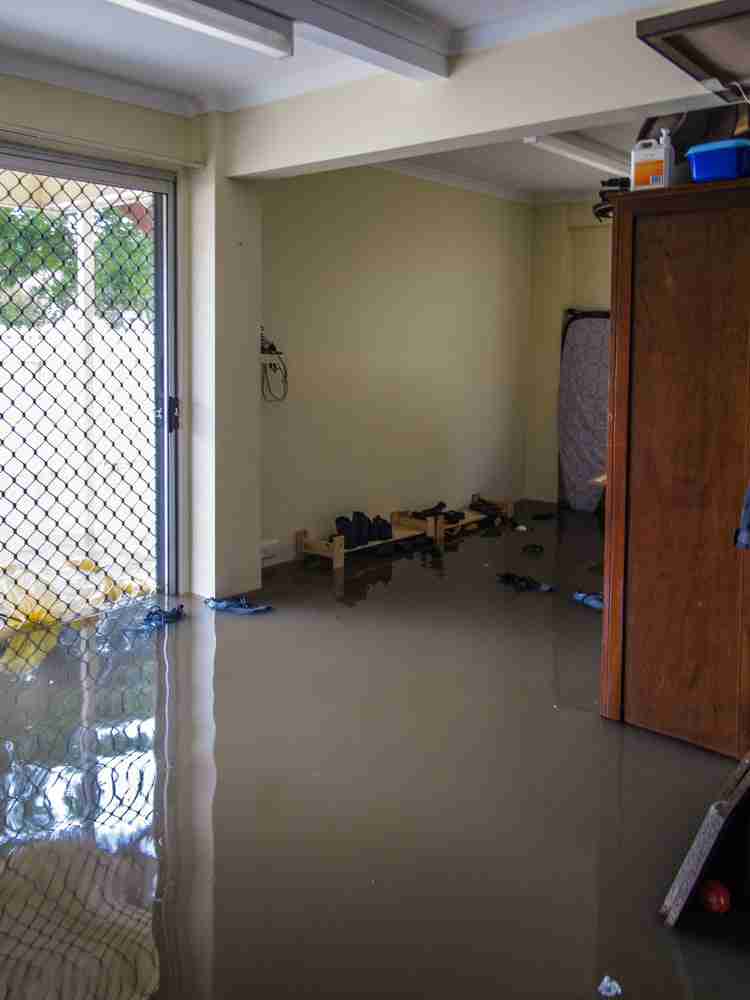
Sewage backups are among the most dangerous and disruptive types of water damage a homeowner can experience. Unlike clean-water leaks, sewage flooding involves Category 3 “black water”, a highly contaminated water source filled with bacteria, viruses, parasites, and toxic microorganisms that pose serious health risks.
Even brief exposure to sewage water can lead to illness, property loss, and long-term structural issues inside walls, flooring, and HVAC systems. Because this level of contamination spreads rapidly, homeowners should never attempt DIY sewage cleanup—professional remediation is the only safe solution.
At AAA Restoration Utah, we have over 30 years of experience providing sewage backup cleanup Utah, safe flood remediation, and biohazard decontamination throughout Salt Lake County and the surrounding communities. Sewage disasters require immediate professional response—not only to remove contaminated water but also to ensure your home is properly sanitized, dried, and restored to safe living conditions.
This guide breaks down the health risks, safe cleanup procedures, and professional restoration steps, including how fast mold grows after sewage flooding and what steps Utah homeowners must take during an emergency.
Key Takeaways:
- Sewage backups contain harmful pathogens requiring professional sewage cleanup Salt Lake County—never DIY methods.
- Without containment, toxins and bacteria spread through the air, surfaces, and HVAC systems.
- Professional sewage remediation includes: containment, extraction, sanitation, structural drying, and mold prevention.
- Mold can begin growing within 24–48 hours after a sewage flood, making fast action crucial.
- AAA Restoration offers 24/7 emergency sewage cleanup Utah to protect your home, health, and property value.
Why Sewage Backups Are So Dangerous
Sewage backups occur for many reasons, including:
- Clogged or collapsed sewer lines
- Aging or damaged pipes
- Heavy rainfall is overwhelming municipal systems
- Tree roots intruding into sewer lines
- Basement floor drain failures
- Improper disposal of wipes or grease
Unlike clean or gray water, Category 3 sewage water contains harmful microorganisms that can cause severe illness upon contact, inhalation, or accidental ingestion. Even water that looks diluted can contain dangerous levels of contamination.
Primary Sewage Backup Health Risks
Exposure to sewage can cause:
- Gastrointestinal illness
- Hepatitis A
- E. coli infection
- Parasites and worms
- Respiratory infections
- Skin rashes and irritation
- Asthma flare-ups
- Severe allergic reactions
Young children, seniors, and individuals with weakened immune systems are at particularly high risk. Homes affected by sewage must be fully sanitized—not just cleaned—to be safe again.
This is why all sewage backup restoration requires strict safety protocols, full protective equipment, HEPA filtration, and industrial sanitation—not household cleaners or shop vacuums.
What to Do Immediately After a Sewage Backup
Homeowners must prioritize safety above all else. Here’s what to do:
1. Evacuate People and Pets
Keep everyone out of the contaminated area. Even small backups can spread airborne bacteria.
2. Shut Off Electricity to the Affected Area
Standing sewage water can carry an electrical current, creating extreme hazards.
3. Do NOT attempt DIY cleanup
Mopping sewage water or spraying bleach makes contamination worse. Bleach cannot thoroughly disinfect porous materials.
4. Call a Professional Sewage Cleanup Company
AAA Restoration offers 24/7 emergency service.
5. Avoid touching contaminated materials
Carpets, boxes, toys, furniture, and drywall can absorb bacteria. Leave them untouched until professionals arrive.

Safe Sewage Cleanup Procedures Used by Professionals
Professional sewage cleanup Salt Lake County follows strict IICRC S500 and S520 industry standards. At AAA Restoration, our certified technicians use comprehensive biohazard cleanup protocols to restore your home safely.
Here’s what the process includes:
1. Site Containment & Safety Setup
Containment prevents airborne pathogens from spreading into clean spaces. Our team installs:
- Plastic containment barriers
- Negative air pressure chambers
- HEPA air scrubbers
- Controlled access zones
This protects your HVAC system, furniture, and unaffected rooms from cross-contamination.
2. Sewage Extraction and Removal
Standing sewage water must be removed immediately using:
- Truck-mounted extraction units
- Industrial submersible pumps
- Biohazard-safe waste disposal
Consumer vacuums and shop vacs are often dangerous and ineffective for sewage extraction.
3. Removal of Contaminated Materials
Most porous materials cannot be disinfected and must be removed, including:
- Drywall
- Carpet and padding
- Insulation
- Mattresses and upholstery
- Children’s toys
- Paper-based items
These materials absorb bacteria and mold spores that no chemical can safely eliminate.
4. Industrial Sanitation & Disinfection
We use hospital-grade and EPA-registered antimicrobial solutions to destroy viruses, bacteria, and pathogens. Our sanitation process includes:
- Biohazard disinfectants
- HEPA vacuuming
- Odor neutralization
- Surface scrubbing
This prepares the structure for safe drying and reconstruction.
5. Structural Drying and Mold Prevention
Moisture left behind after a sewage backup leads to rapid mold growth.
How fast does mold grow after sewage flooding?
Mold can grow within 24–48 hours, and sewage contamination accelerates that timeline.
AAA Restoration uses:
- Industrial dehumidifiers
- High-powered air movers
- Moisture meters
- Thermal imaging
- Ventilation adjustments
To ensure all hidden moisture is eliminated.
For mold concerns, we offer: Mold Remediation Services.
6. Repairs & Sewage Damage Reconstruction
After the cleanup, reconstruction begins. AAA Restoration replaces:
- Drywall and insulation
- Flooring and trim
- Cabinets, vanities, and fixtures
- Framing or structural elements
As a full-service restoration contractor, we handle both remediation and rebuilding—eliminating the need to coordinate with multiple companies.
Why DIY Sewage Cleanup Is Extremely Dangerous
DIY sewage cleanup is never safe and often leads to dramatically higher repair costs. Homeowners risk:
- Spreading contamination throughout the home
- Exposure to harmful bacteria
- Hidden mold growth inside the walls
- Compromised indoor air quality
- Structural deterioration
- Insurance claim denial
Most insurance carriers require professional documentation for sewage cleanup claims in Utah, making DIY attempts risky both financially and medically.
Frequently Asked Questions (FAQs)
1. How dangerous is a sewage backup?
A sewage backup is considered one of the most hazardous forms of water damage due to its extremely high concentration of bacteria, viruses, parasites, and harmful microorganisms.
Exposure can cause gastrointestinal illness, respiratory infections, skin irritation, and long-term health problems if not properly addressed. Additionally, sewage water can contaminate structural materials, such as drywall, insulation, and flooring, making your home unsafe until it is professionally sanitized.
This is why certified specialists must always handle sewage backup cleanup in Utah.
2. Can I clean up a sewage backup myself?
No—DIY sewage cleanup is unsafe and typically ineffective. Sewage water (Category 3 water) contains dangerous pathogens that cannot be neutralized with household cleaners, such as bleach.
Without professional containment, PPE, and industrial sanitation equipment, homeowners risk spreading contamination throughout their homes, worsening health hazards, and even voiding their insurance coverage. Safe sewage cleanup procedures require trained technicians and specialized tools designed for the removal of biohazards.
3. How fast does mold grow after sewage flooding?
Mold can begin growing within 24 to 48 hours after sewage flooding. Because sewage contains organic contaminants, mold often grows even faster than it would after clean-water damage.
Mold spores thrive in moisture-rich environments created by sewage backups, especially inside walls, under flooring, and in HVAC systems. If not addressed quickly, mold can spread throughout the property, causing significant health issues and costly structural repairs.
4. Will insurance cover sewage backup cleanup?
Coverage varies, but most standard homeowner insurance policies require a sewage backup endorsement or rider to cover the costs of cleanup and repairs.
If this coverage is included, your insurance may pay for sewage extraction, sanitation, structural drying, reconstruction, and even temporary relocation if your home is unsafe. AAA Restoration works directly with insurance carriers to document damages, streamline claims, and help ensure you receive the coverage you’re entitled to.
5. How soon should I call a sewage cleanup company?
Immediately. Every hour that sewage remains in your home increases the risk of contamination, mold growth, and structural damage.
Fast action is essential to protect your health and minimize cleanup costs. AAA Restoration offers 24/7 emergency sewage cleanup in Utah, meaning we can respond quickly, remove standing sewage, sanitize your home, and begin drying before the damage worsens. Never delay calling for professional help.
Need Fast, Safe Sewage Cleanup in Salt Lake County? Call AAA Restoration Today
Sewage backups are true emergencies—dangerous, destructive, and impossible to clean safely without professional help. At AAA Restoration, our certified biohazard technicians respond 24/7 to remove sewage, sanitize affected areas, prevent mold, and fully restore damaged structures. With over 30 years of experience serving Salt Lake County homeowners, we understand precisely how to protect your home and your health following a sewage disaster.
Request emergency sewage cleanup or schedule an assessment today.
When sewage strikes, trust Utah’s most experienced restoration team—AAA Restoration.