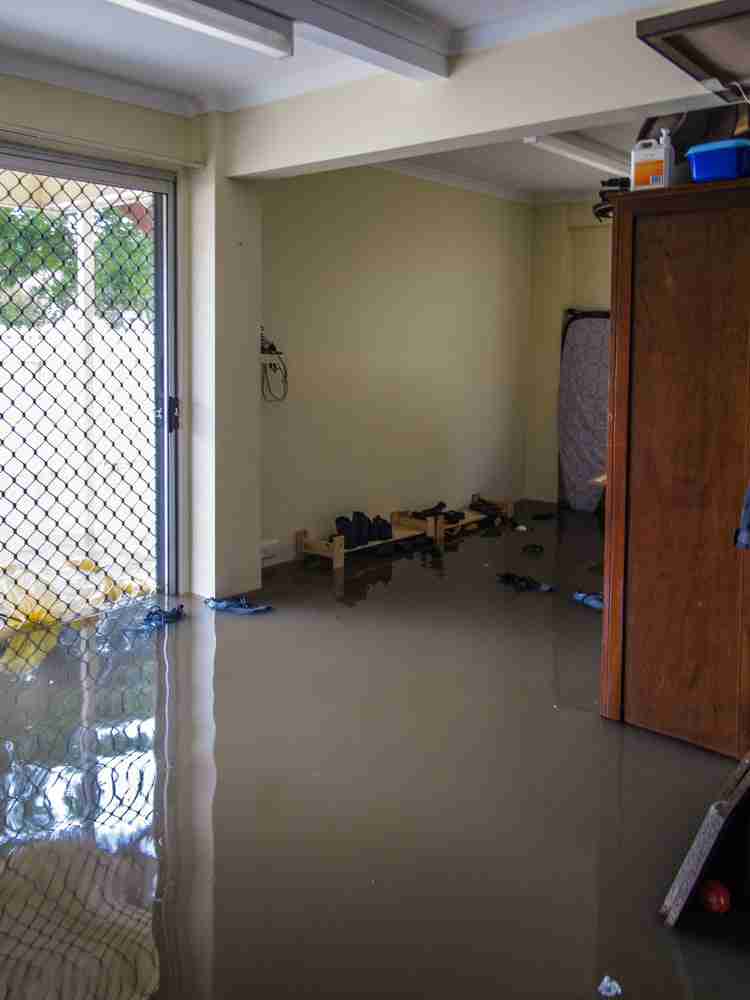
The recent floods in Utah have had a devastating impact on the state, affecting both urban and rural areas. The floods have caused widespread damage to homes, businesses, and infrastructure, displacing thousands of residents and disrupting daily life for many. The impact of the floods has been felt not only in terms of physical damage but also in terms of emotional and psychological toll on the affected communities. The floods have also taken a toll on the natural environment, causing erosion, sedimentation, and loss of habitat for wildlife.
Furthermore, the economic impact of the floods is significant, with damage to infrastructure, agriculture, and tourism. The floods have disrupted transportation networks, damaged roads and bridges, and caused power outages in many areas. The agricultural sector has also been severely affected, with crop damage and loss of livestock. Additionally, the floods have impacted the tourism industry, with popular outdoor recreational areas being closed or damaged. Overall, the floods have had a profound impact on the state of Utah, affecting its people, environment, and economy.
Assessing the Damage to Infrastructure and Natural Resources
The floods have caused extensive damage to infrastructure in Utah, including roads, bridges, and public buildings. Many roads and highways have been washed out or damaged by the floods, making transportation difficult and dangerous. Bridges have also been affected, with some being completely destroyed or rendered unsafe for use. Public buildings such as schools, hospitals, and government offices have also suffered damage, further complicating recovery efforts.
In addition to infrastructure damage, the floods have also taken a toll on natural resources in Utah. Erosion and sedimentation have affected water quality and aquatic habitats, posing a threat to fish and other wildlife. The floods have also caused damage to forests and wetlands, impacting biodiversity and ecosystem services. Furthermore, agricultural lands have been inundated and damaged by floodwaters, leading to crop loss and soil erosion. The overall impact on natural resources is significant and will require careful assessment and restoration efforts to mitigate long-term effects.
Mobilizing Emergency Response and Relief Efforts
In response to the floods, emergency response teams have been mobilized to provide immediate assistance to affected communities. Search and rescue teams have been deployed to help evacuate residents from flooded areas and provide medical assistance as needed. Emergency shelters have been set up to provide temporary housing for displaced individuals and families. Additionally, relief organizations and volunteers have been working tirelessly to provide food, water, and other essential supplies to those in need.
Government agencies at the local, state, and federal levels have also been coordinating efforts to provide assistance to affected communities. Emergency funding has been allocated to support recovery efforts and provide financial assistance to individuals and businesses impacted by the floods. Furthermore, coordination with utility companies has been crucial in restoring power and other essential services to affected areas. The mobilization of emergency response and relief efforts has been essential in providing immediate support to those affected by the floods.
Implementing Immediate Restoration Measures
| Restoration Measure | Implementation Timeframe | Cost |
|---|---|---|
| Emergency repairs | Within 24 hours | Varies |
| Temporary barriers | Within 48 hours | Depends on length |
| Debris removal | Immediate | Depends on amount |
As the floodwaters recede, immediate restoration measures are being implemented to address the damage caused by the floods. This includes clearing debris from roads and public areas, repairing damaged infrastructure such as roads and bridges, and restoring essential services such as power and water supply. Additionally, efforts are being made to assess and address environmental damage caused by the floods, including erosion control measures and habitat restoration.
Furthermore, efforts are being made to assess and address the impact of the floods on agricultural lands and natural resources. This includes soil conservation measures, reseeding of damaged areas, and support for affected farmers and ranchers. Restoration measures are also being implemented to address damage to public buildings and facilities, ensuring that essential services such as schools and hospitals can resume operations as soon as possible. The implementation of immediate restoration measures is crucial in facilitating recovery and rebuilding efforts in the aftermath of the floods.
Engaging the Community in Clean-up and Rebuilding
Community engagement is essential in the clean-up and rebuilding efforts following the floods. Volunteers from local communities as well as relief organizations are coming together to help clean up debris, repair homes, and provide support to those in need. Community organizations are also playing a key role in coordinating clean-up efforts and providing assistance to vulnerable populations such as the elderly and disabled.
In addition to clean-up efforts, community engagement is also important in rebuilding efforts. Community input is crucial in identifying priorities for rebuilding infrastructure, homes, and public facilities. Engaging local residents in the planning and decision-making process ensures that rebuilding efforts are aligned with community needs and priorities. Furthermore, community engagement fosters a sense of solidarity and resilience among residents as they come together to rebuild their neighborhoods and communities.
Long-term Strategies for Flood Prevention and Mitigation
In light of the recent floods, long-term strategies for flood prevention and mitigation are being considered to reduce the risk of future flooding in Utah. This includes investment in infrastructure such as flood barriers, levees, and stormwater management systems to protect communities from floodwaters. Additionally, land use planning and zoning regulations can help minimize development in flood-prone areas and protect natural floodplains.
Furthermore, watershed management practices can help reduce erosion and sedimentation, improving water quality and reducing the risk of flooding. This includes reforestation efforts, wetland restoration, and sustainable land management practices that help retain water and reduce runoff. Long-term strategies for flood prevention also involve public education and awareness campaigns to inform residents about flood risks and preparedness measures.
Celebrating the Resilience of Utah’s People and Environment
Despite the challenges posed by the recent floods, the resilience of Utah’s people and environment is evident in the response to the disaster. Communities have come together to support one another, demonstrating strength and solidarity in the face of adversity. Volunteers have worked tirelessly to provide assistance to those in need, showcasing the compassion and generosity of Utah’s residents.
Furthermore, efforts to restore and protect the natural environment highlight a commitment to preserving Utah’s unique landscapes and ecosystems. Restoration efforts are not only aimed at recovering from the immediate impact of the floods but also at ensuring long-term sustainability and resilience of natural resources. The resilience of Utah’s people and environment is a testament to the strength and determination of the state’s residents in overcoming challenges and building a more resilient future.
When dealing with flood damage in Utah, it’s crucial to have the right information and guidance to navigate the restoration process effectively. AAA Restoration Utah provides valuable insights on important facts about rainwater flooding your basement in their article “Important Facts on Rainwater Flooding Your Basement,” offering homeowners essential knowledge to prevent and address basement floods. Additionally, their article “Steps to Take After a Basement Flood” outlines the necessary actions to mitigate damage and restore the affected area. For those in West Jordan, AAA Restoration Utah’s expertise in flood damage restoration is highlighted in their article “West Jordan Flood Damage Restoration Companies: Get Unparalleled Expertise with AAA,” emphasizing the unparalleled support and solutions they offer for flood-damaged properties.
FAQs
What is flood restoration?
Flood restoration is the process of cleaning and repairing a property that has been damaged by flooding. This can include removing water, drying out the property, and repairing any structural damage.
What causes flooding in Utah?
Flooding in Utah can be caused by heavy rain, snowmelt, or flash floods. Additionally, flooding can occur as a result of burst pipes or sewer backups.
What are the steps involved in flood restoration?
The steps involved in flood restoration typically include water extraction, drying out the property, cleaning and sanitizing, and repairing any damage to the structure or contents of the property.
Why is it important to hire a professional for flood restoration?
Hiring a professional for flood restoration is important because they have the expertise and equipment to properly handle the cleanup and repair process. They can also help prevent further damage and ensure that the property is safe to inhabit.
How long does flood restoration take?
The duration of flood restoration can vary depending on the extent of the damage. It can take anywhere from a few days to several weeks to complete the restoration process.
What should I do if my property has been flooded in Utah?
If your property has been flooded in Utah, it is important to contact a professional flood restoration company as soon as possible. In the meantime, you should try to remove any standing water and move any valuable items to a dry area.