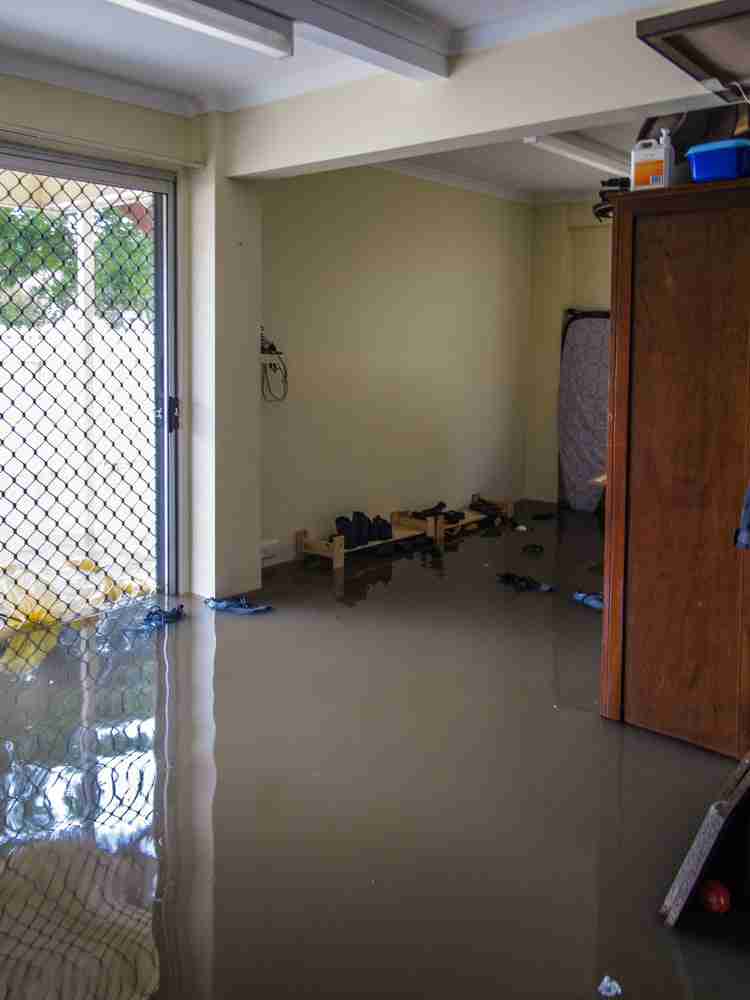
When a flood strikes, the first step is to assess the damage to your property. This involves carefully inspecting the extent of the water damage to your home or business. Look for signs of structural damage, such as cracks in the foundation or walls, and water stains on the ceilings. It’s important to also check for damage to electrical systems, plumbing, and appliances. Take note of any items that have been damaged or destroyed, such as furniture, electronics, and personal belongings. Document the damage with photographs and videos, as this will be important for insurance claims and financial assistance.
Furthermore, it’s crucial to assess the potential health hazards that may have arisen from the flood. Standing water can become a breeding ground for bacteria, mold, and other harmful microorganisms. It’s important to be cautious and wear protective gear when entering the flooded area to avoid exposure to contaminants. Additionally, be mindful of any potential structural hazards that may pose a risk to your safety. Once you have thoroughly assessed the damage, you can begin taking the necessary steps to address the aftermath of the flood.
Safety Precautions
After a flood, safety should be your top priority. It’s essential to take precautions to ensure the well-being of yourself and your family or employees. If the floodwaters have not yet receded, it’s important to avoid entering the flooded area until it is safe to do so. Floodwaters can be contaminated with sewage, chemicals, and other hazardous substances, posing a serious health risk. Additionally, there may be hidden dangers such as submerged debris, downed power lines, or unstable structures.
Once it is safe to enter the flooded area, it’s important to take precautions to prevent accidents and injuries. Wear protective clothing, including rubber boots, gloves, and a mask, to minimize exposure to contaminants. Be cautious when handling electrical appliances or systems that may have been affected by the flood. If you are unsure about the safety of your electrical system, it’s best to have it inspected by a professional before attempting to use it. Furthermore, be mindful of potential gas leaks or carbon monoxide hazards that may have arisen from the flood. By taking these safety precautions, you can minimize the risk of injury and ensure a safer recovery process.
Securing Financial Assistance
Recovering from a flood can be a costly endeavor, but there are resources available to help you secure financial assistance. The first step is to contact your insurance provider to file a claim for the flood damage. Be sure to provide thorough documentation of the damage, including photographs and videos, as well as a detailed inventory of the items that have been damaged or destroyed. Keep records of all communication with your insurance company, including claim numbers and adjuster information.
In addition to insurance claims, there may be government assistance programs available to help with flood recovery. Contact your local emergency management agency or FEMA (Federal Emergency Management Agency) to inquire about disaster assistance programs that may be available in your area. These programs can provide financial aid for temporary housing, home repairs, and other disaster-related expenses. It’s important to act quickly and follow the application process carefully to ensure that you receive the assistance you need. By exploring these options for financial assistance, you can alleviate some of the financial burden of recovering from a flood.
Cleaning and Sanitizing
| Area | Cleaning Frequency | Sanitizing Frequency |
|---|---|---|
| Kitchen | Everyday | Every 4 hours |
| Bathroom | Everyday | Everyday |
| Common Areas | Everyday | Every 2 hours |
Once the floodwaters have receded and it is safe to enter the affected area, it’s time to begin the cleaning and sanitizing process. Floodwaters can leave behind a trail of contamination and debris that must be thoroughly removed to ensure a safe and healthy environment. Start by removing any standing water using pumps or wet-dry vacuums, and then proceed to clean and disinfect all surfaces that have come into contact with the floodwaters.
It’s important to use appropriate cleaning agents and disinfectants to kill any bacteria, mold, or other harmful microorganisms that may be present. Pay special attention to areas such as walls, floors, and furniture that may have absorbed moisture and become breeding grounds for mold. Additionally, consider hiring professional cleaners who specialize in flood cleanup to ensure that the job is done thoroughly and effectively. By taking these steps to clean and sanitize your property, you can minimize health risks and prevent further damage from occurring.
Repairing and Rebuilding
After the cleaning and sanitizing process is complete, it’s time to focus on repairing and rebuilding your property. This may involve repairing structural damage, replacing damaged materials, and restoring essential systems such as electrical, plumbing, and HVAIt’s important to work with qualified contractors and professionals who have experience in flood recovery to ensure that the repairs are done correctly and safely.
In addition to structural repairs, you may also need to replace damaged belongings and furnishings that were affected by the flood. This could include furniture, appliances, electronics, and personal items that were destroyed or rendered unusable. Keep thorough records of all repair and replacement expenses, as these may be eligible for reimbursement through insurance claims or government assistance programs.
As you work through the process of repairing and rebuilding your property, it’s important to be patient and persistent. Flood recovery can be a lengthy and challenging process, but with determination and the right support, you can restore your property to its pre-flood condition.
Upgrading and Flood-proofing
In the aftermath of a flood, it’s important to consider measures to upgrade and flood-proof your property to minimize the risk of future damage. This may involve making structural improvements such as elevating your home or installing flood barriers to prevent water intrusion. Additionally, consider investing in flood-resistant building materials and waterproofing solutions to protect your property from future floods.
It’s also important to review your insurance coverage and consider purchasing flood insurance if you do not already have it. Standard homeowners’ insurance policies typically do not cover flood damage, so having a separate flood insurance policy can provide added financial protection in the event of another flood.
Furthermore, take steps to create an emergency preparedness plan for future floods. This may include developing an evacuation plan, assembling an emergency kit with essential supplies, and staying informed about local flood risks and warnings. By taking proactive measures to upgrade and flood-proof your property, you can reduce the impact of future floods and better protect your home or business.
Emotional Recovery and Support
Recovering from a flood is not just about physical repairs; it also involves emotional healing and support for those affected by the disaster. The aftermath of a flood can be emotionally challenging, as it often involves loss of property, disruption of daily life, and feelings of uncertainty about the future.
It’s important to seek emotional support from friends, family, or mental health professionals who can provide guidance and understanding during this difficult time. Additionally, consider joining support groups or community organizations that offer resources for flood survivors. Sharing experiences with others who have gone through similar challenges can provide a sense of solidarity and comfort.
Taking care of your mental well-being is just as important as addressing the physical aspects of flood recovery. Be patient with yourself and allow yourself time to process your emotions as you work through the recovery process. By seeking emotional support and taking care of your mental health, you can build resilience and find strength in overcoming the impact of the flood.
In conclusion, recovering from a flood involves a multi-faceted approach that encompasses assessing damage, prioritizing safety precautions, securing financial assistance, cleaning and sanitizing, repairing and rebuilding, upgrading and flood-proofing, as well as emotional recovery and support. By addressing each of these aspects with care and diligence, you can navigate through the challenges of flood recovery and emerge stronger on the other side. Remember that you are not alone in this journey; there are resources and support available to help you through every step of the process. With patience, perseverance, and a proactive mindset, you can overcome the aftermath of a flood and rebuild a brighter future for yourself and your community.
In the aftermath of a flood, it’s crucial to prioritize professional cleaning and restoration services to ensure a safe and healthy environment. AAA Restoration Utah offers valuable insights into the importance of professional cleaning services in the context of COVID-19, shedding light on the significance of thorough cleaning and disinfection to mitigate health risks. For those dealing with mold issues post-flood, understanding the distinction between mold and mildew is essential. AAA Restoration Utah’s article on the difference between mold and mildew provides valuable information for homeowners navigating the complexities of mold remediation. Additionally, their article on mold allergies versus seasonal allergies offers helpful guidance for individuals seeking to identify and address potential health concerns related to mold exposure. AAA Restoration Utah’s professional cleaning service during COVID-19 provides further insights into this critical aspect of flood recovery.
FAQs
What is flood recovery?
Flood recovery refers to the process of rebuilding and restoring communities, infrastructure, and natural environments after a flood event.
What are the common challenges in flood recovery?
Common challenges in flood recovery include damage to homes and infrastructure, displacement of residents, loss of livelihoods, and environmental degradation.
What are the key steps in flood recovery?
Key steps in flood recovery include assessing the damage, securing funding for recovery efforts, rebuilding infrastructure, providing support to affected communities, and implementing measures to reduce the risk of future floods.
What are some resources available for flood recovery assistance?
Resources available for flood recovery assistance may include government aid programs, non-profit organizations, disaster relief funds, and community support services.
How long does flood recovery typically take?
The duration of flood recovery can vary depending on the scale of the flood, the extent of the damage, and the resources available. In some cases, it may take several months or even years for a community to fully recover from a major flood event.