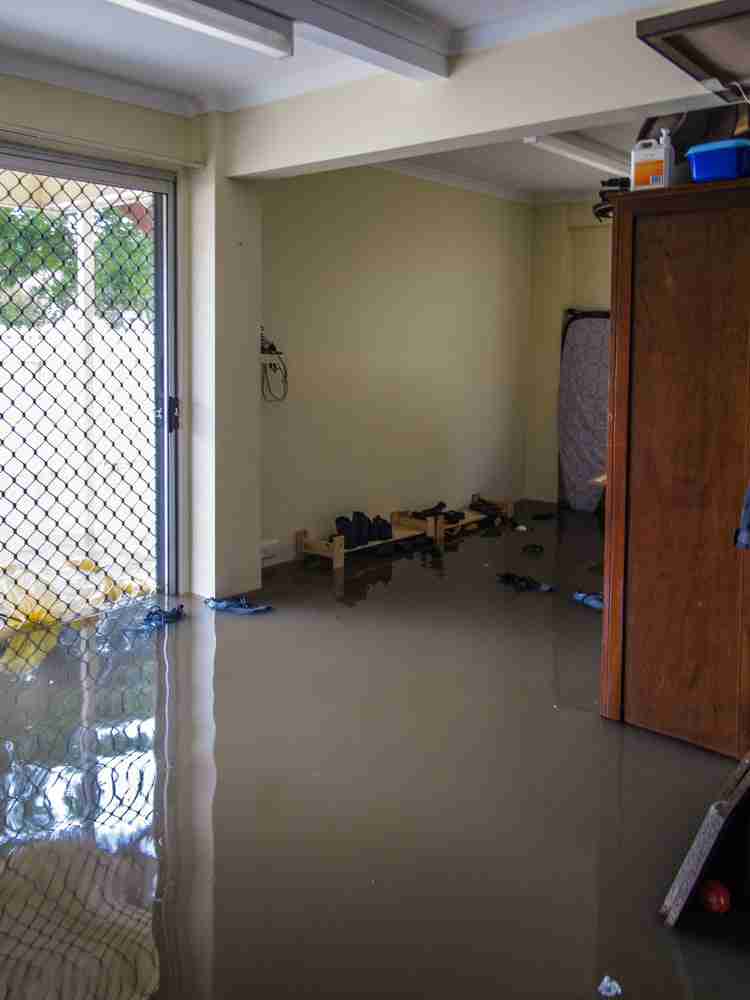
When a pipe bursts, a water heater fails, or a fixture starts leaking fast, knowing how to shut off water in your home during an emergency is the single most important thing you can do before help arrives. Every second the water keeps running adds to the damage — and to the cost of cleanup and repair.
In Utah, this problem shows up in a few predictable ways: frozen and burst pipes during winter cold snaps, aging water heaters failing without warning, and washing machine or dishwasher hoses giving out. Knowing where your main water shut off valve is — and how to use it — before an emergency happens can mean the difference between a quick fix and thousands of dollars in water damage.
This guide walks you through exactly how to find your main shut off valve, how to turn off water to your whole house or a single fixture, what to do if a valve is stuck, and the steps to take immediately after the water is off.
Key Takeaways
- Act fast: Shutting off water within minutes of discovering a leak or burst pipe can significantly reduce water damage and repair costs.
- Know your valve: Every home has a main water shut off valve — usually near the water meter, in a basement, crawl space, garage, or utility closet.
- Two shut-off levels: You can shut off water to your entire home at the main valve, or to a single fixture (toilet, sink, washer, water heater) at its local shut-off.
- Stuck valves happen: Older or rarely-used valves can seize up — knowing the safe way to work a stuck valve prevents further damage.
- Shutting off water is step one: What you do in the minutes after matters just as much — including calling a restoration professional before water damage becomes mold.
Why You Need to Know This Before an Emergency Happens
Most homeowners don’t think about their main water shut off valve until they desperately need it. By then, water is already spreading across the floor, soaking into drywall, or dripping into a ceiling below. Utah homes are especially vulnerable in the winter months, when freezing temperatures can cause pipes to crack or burst as ice expands inside them.
The average home water leak can release several gallons of water per minute. That means even a five-minute delay in shutting off water to your home can mean 15–25+ gallons of water spreading through your home — enough to soak flooring, baseboards, and drywall, and set the stage for mold growth within 24 to 48 hours.
Taking two minutes right now to locate your shut-off valve, and making sure everyone in your household knows where it is, is one of the simplest ways to protect your home before an emergency ever happens.
How to Find Your Main Water Shut Off Valve
Where your main water shut off valve is located depends on your home’s age, foundation type, and water source:
- Homes with a basement: Usually along the wall closest to the street, near where the water line enters the home.
- Homes on a slab foundation: Often in a utility closet, garage, or near the water heater.
- Homes with a well: The shut-off is typically near the pressure tank or well pump, rather than a street-side meter.
- Newer Utah homes: May have the main shut-off valve in an exterior utility box near the water meter at the curb.
Two common emergency water shut off valve types you’ll encounter:
- Ball valve: Has a lever handle. A quarter-turn (90°) fully shuts off the water — turn it perpendicular to the pipe.
- Gate valve: Has a round wheel handle. You’ll need to turn it clockwise multiple full rotations until it stops.
Tip: Take a photo of your main shut-off valve and its location on your phone, and label it clearly if it’s tucked away in a crawl space or utility closet. In a real emergency, you won’t want to be searching.
Dealing With a Water Emergency Right Now?
AAA Restoration Utah offers 24/7 emergency response across the Salt Lake Valley and surrounding areas.
Step-by-Step: How to Shut Off Water to Your Whole House
- Locate your main water shut off valve using the guide above.
- If it’s a ball valve, turn the lever a quarter-turn until it sits perpendicular to the pipe.
- If it’s a gate valve, turn the wheel clockwise firmly until it stops moving.
- Open a faucet on the lowest level of your home (a basement sink or outdoor spigot works well) to relieve pressure and drain remaining water from the pipes.
- Turn off your water heater if the leak is significant, to prevent it from overheating with no water flow.
- Once water is off, assess the damage or call a restoration professional if flooding has already started.
If you need to shut off water to your whole house because of a suspected pipe burst inside a wall or ceiling, don’t wait to confirm the source first — shutting off the main valve immediately limits damage while you investigate.
How to Shut Off Water to a Single Fixture
If the leak is isolated to one fixture, you often don’t need to shut off water to the whole house. Most fixtures have their own local shut-off valve:
- Toilet: Look for a small oval or round valve on the wall or floor behind the toilet, on the supply line. Turn clockwise to close.
- Sink (kitchen or bathroom): Shut-off valves are typically under the sink, one for hot and one for cold water.
- Washing machine: Look for two valves (hot and cold) on the wall behind the machine, usually turned via a lever or knob.
- Water heater: A dedicated shut-off valve is typically located on the cold water inlet pipe above the unit.
- Dishwasher: Usually shares a shut-off valve with the kitchen sink’s cold water supply.
Shutting off water to a specific fixture is the faster, less disruptive option whenever the emergency is contained — saving your whole household from being without water while you handle the repair.

What to Do If the Valve Is Stuck or Won't Turn
Shut-off valves that haven’t been used in years can seize up from mineral buildup or corrosion — a common issue in older Utah homes. If your main water shut off valve won’t turn:
- Don’t force it aggressively — excessive force can snap the valve stem, turning a minor leak into a major one.
- Try turning gently while applying steady, even pressure rather than jerking it.
- Use a small amount of penetrating lubricant on the valve stem and let it sit for a few minutes before trying again.
- If it still won’t budge, shut off water at the street-side curb stop (near the water meter) using a curb key, or contact your municipal water utility.
- If flooding is active and the valve won’t cooperate, call an emergency plumber or restoration company immediately rather than losing critical time.
Not Sure If Your Valve Is Working Properly?
Our team can inspect your home’s shut-off valves and plumbing risk points before an emergency happens.
What to Do After You've Shut Off the Water
Shutting off the water stops the source — but it doesn’t undo the damage that’s already been done. Next steps:
- Document the damage with photos and video before you start cleanup, for insurance purposes.
- Remove standing water as quickly as possible using towels, a wet/dry vacuum, or a mop.
- Move furniture, rugs, and electronics away from the affected area.
- Increase airflow with fans and open windows if weather allows, to begin drying the space.
- Call a water damage restoration professional — even water that looks minor on the surface can soak into drywall, subfloor, and insulation, creating conditions for mold within 24–48 hours.
AAA Restoration Utah’s emergency response team can extract standing water, dry out affected structures with professional equipment, and help document the damage for your insurance claim — all starting with a single call, 24/7.
Frequently Asked Questions
How do I shut off water in my home during an emergency?
Locate your main water shut off valve — usually near the water meter, in a basement, garage, or utility closet — and turn it a quarter-turn (ball valve) or several full turns clockwise (gate valve) until the water stops flowing.
Where is the main water shut off valve usually located?
In most Utah homes, it's near where the water line enters the house: along a basement wall closest to the street, in a utility closet, garage, near the water heater, or in an exterior box near the curb for newer construction.
What do I do if I can't find my shut-off valve during a leak?
If you can't locate the interior valve quickly, look for a curb stop near the street-side water meter and use a curb key to shut it off there. If you still can't stop the flow, call an emergency plumber or restoration company right away.
Can I shut off water to just one fixture instead of the whole house?
Yes. Toilets, sinks, washing machines, water heaters, and dishwashers typically have their own local shut-off valves, allowing you to stop water to that fixture only while keeping water running elsewhere in the home.
What should I do immediately after shutting off the water?
Document the damage with photos, remove standing water as quickly as possible, and call a water damage restoration company. Acting within the first 24–48 hours significantly reduces the risk of mold and structural damage.
The Bottom Line
Knowing how to shut off water in your home during an emergency — and knowing it before you actually need it — is one of the simplest ways to protect your Utah home from serious water damage. Take a few minutes today to locate your main shut-off valve, confirm it turns freely, and make sure your household knows where it is.
If water damage has already started, don’t wait. Call us today at AAA Restoration Utah! We provide 24/7 emergency water extraction, drying, and restoration services across Salt Lake City, Ogden, Provo, and surrounding Utah communities.
Water Damage Already Happening?
Every minute counts. AAA Restoration Utah is available 24/7 for emergency water extraction and drying across Utah.