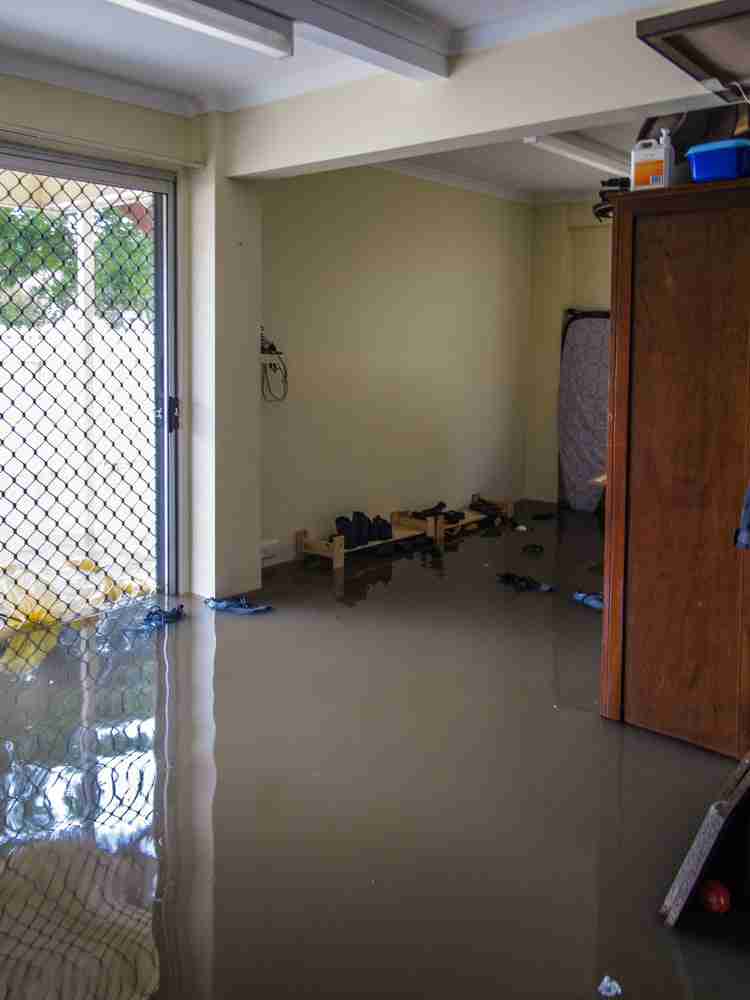
When water damage occurs, whether from flooding, burst pipes, roof leaks, or appliance failures, time becomes critical. Many homeowners don’t realize how quickly mold can begin to grow after exposure to moisture, and the truth is often surprising. Under the right conditions, mold can start developing in as little as 24 hours and can spread to multiple areas of the home within 48 to 72 hours.
As AAA Restoration Utah, we frequently help homeowners who didn’t know mold could grow so fast. Utah’s varying climate conditions—from desert heat to humid basements during snowmelt season—mean that moisture can linger longer than expected, creating ideal environments for mold growth.
In this guide, we break down the timeline of mold development, the associated health and structural risks, early warning signs, and when to call for mold remediation Utah services to protect your home and family.
Key Takeaways:
- Mold can begin growing within 24 to 48 hours after water damage, especially in humid or poorly ventilated areas.
- The speed of mold growth depends on moisture levels, temperature, and the type of material.
- Mold after water damage can cause significant structural issues and serious health risks if untreated.
- Early detection and professional mold assessment Utah services help prevent widespread contamination.
- AAA Restoration Utah offers full mold removal Salt Lake City and throughout the state, designed to eliminate mold safely and completely.
How Fast Does Mold Grow After Water Damage? (The Timeline)
Understanding how quickly mold grows after water damage is crucial to preventing significant damage. Mold needs only three ingredients to start growing:
- Moisture
- Organic material (drywall, wood, carpet, insulation)
- The right temperature
Once water intrusion occurs, mold begins developing quickly:
0–24 Hours
- Materials absorb moisture rapidly
- Mold spores activate but are not yet visible
- Humidity increases in affected areas
24–48 Hours
- Mold begins forming on drywall, wood, carpet, and insulation
- A musty odor may appear
- Discoloration or surface spots may begin
48–72 Hours
- Mold colonies become visible
- Mold spreads to adjacent materials
- Airborne spores increase rapidly
- Health risks become noticeable
72+ Hours
- Widespread mold contamination
- Structural materials weaken
- Remediation becomes more complex and costly
This is why homeowners often ask, “Does mold grow within 24 hours?”
The answer is yes—if moisture remains, mold can begin growing almost immediately.
Why Utah Homes Are Vulnerable to Fast Mold Growth
Utah’s climate creates unique risk factors:
Snowmelt + Basement Moisture
When snow melts, basements and crawl spaces can trap moisture, increasing the risk of mold after flooding.
Dry Climate That Hides Moisture
Even though Utah is generally dry, indoor leaks tend to stick around longer unnoticed—especially inside walls or under flooring.
Temperature Swings
Warm interior temperatures combined with cold exterior surfaces create condensation pockets where mold thrives.
If you suspect hidden moisture, schedule a professional mold assessment in Utah to assess affected areas before mold spreads further.
Signs of Mold After Water Damage
Many homeowners don’t notice mold until it becomes visible—but mold always gives early warning signs.
Common indicators include:
- Musty, earthy odors
- Discoloration on walls or ceilings
- Peeling paint or bubbling surfaces
- Condensation on windows or walls
- Increased allergy or asthma symptoms
- Warped flooring or damp carpets
If you’ve experienced recent water damage and notice any of these symptoms, contact AAA Restoration for mold remediation in Salt Lake City, UT, quickly to stop further spread.
Mold Health Risks Every Homeowner Should Know
Mold exposure can impact anyone, but children, seniors, and individuals with pre-existing respiratory issues are most vulnerable. Common mold health risks include:
- Chronic coughing
- Nasal congestion
- Throat irritation
- Headaches
- Skin rashes
- Eye irritation
- Fatigue
- Worsening asthma symptoms
Long-term exposure may even lead to infections or immune complications.
Proper remediation isn’t just about restoring your home—it’s about protecting your health and indoor air quality.

Why Mold Grows Faster After Flooding or Major Water Damage
When flooding occurs, water saturates:
- Drywall
- Subflooring
- Carpets
- Insulation
- Framing
These materials retain moisture long after standing water is removed. This is why mold growth after flooding is extremely common in homes in Utah.
Floodwater may also contain contaminants, which accelerate mold colonization and require professional treatment—not DIY cleanup.
For expert support, AAA Restoration provides full water damage restoration services to prevent moisture before mold can take hold.
Why DIY Mold Cleanup Is Not Enough
Many homeowners attempt DIY cleanup before realizing mold spreads deeper than they thought. Without proper training and equipment, DIY efforts can actually exacerbate contamination.
DIY mold removal risks include:
- Spreading mold spores through the air
- Exposure to harmful mycotoxins
- Leaving moisture hidden behind walls
- Failing to address root causes
- Insufficient drying and sanitization
Professional mold removal Utah services ensure:
- HEPA vacuuming
- Containment setup
- Negative air pressure
- Air scrubbers
- Safe material removal
- Full disinfection
- Post-remediation verification
This eliminates mold at the source and prevents regrowth.
How to Reduce Mold Risk After Water Damage
1. Act Fast
Mold begins growing quickly—call a restoration company immediately.
2. Remove Standing Water Quickly
Extraction and drying reduce the mold’s opportunity to spread.
3. Increase Airflow
Fans, dehumidifiers, and open windows help dry surfaces (only safe after proper inspection).
4. Avoid Disturbing Mold
Touching or scrubbing mold releases spores.
5. Schedule a Professional Mold Inspection
Certified technicians can diagnose mold early—before it becomes a major issue.
Frequently Asked Questions (FAQs)
1. How fast does mold grow after water damage?
Mold can begin growing within 24 to 48 hours if moisture remains.
2. What are the signs of mold after water damage?
Musty odors, discoloration, warped flooring, and allergy symptoms are common signs of mold.
3. Is mold dangerous?
Yes—mold exposure can cause respiratory issues, headaches, and long-term health problems.
4. Should I try to remove mold myself?
DIY cleanup often spreads spores. Always contact professionals for safe, certified mold remediation.
5. How do I prevent mold after water damage?
Dry affected areas quickly, fix leaks, improve ventilation, and schedule a professional inspection.
Need Professional Mold Remediation in Utah? Contact AAA Restoration Today
If your home has experienced water damage—or you suspect mold is beginning to grow—don’t wait. Mold spreads quickly, and early intervention can save you thousands in repairs while protecting your health and well-being.
At AAA Restoration, our certified mold remediation team uses industry-leading equipment, safe containment procedures, and advanced drying techniques to eliminate mold at the source. We proudly serve Salt Lake City and all surrounding Utah communities with fast, reliable, and professional service.
Request a mold assessment or emergency remediation today.
Protect your home, your health, and your peace of mind—trust AAA Restoration Utah.