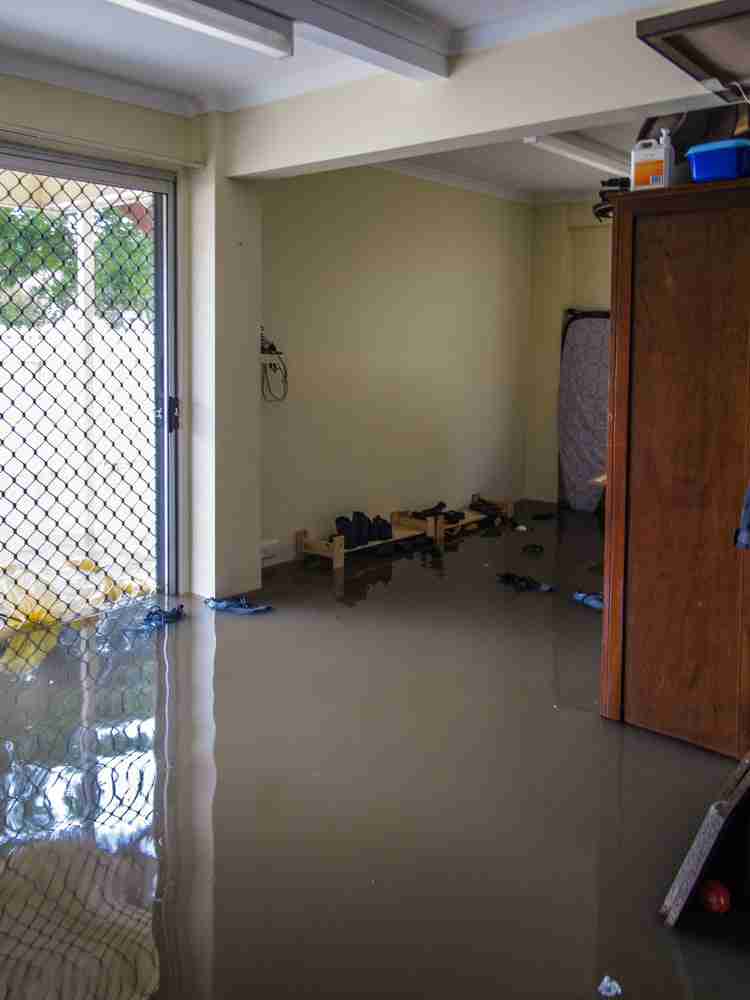
When dealing with water damage in your home, it’s crucial to prioritize safety precautions to prevent any harm to yourself and your family. Firstly, ensure that the electricity to the affected area is turned off to avoid the risk of electrocution. If the water damage is extensive, it’s best to turn off the main power supply to the house until the situation is under control. Additionally, wear protective gear such as rubber gloves, boots, and a face mask to protect yourself from any potential contaminants in the water. It’s also important to be cautious of slippery surfaces and unstable structures that may have been compromised by the water damage. Lastly, be mindful of any potential health hazards such as mold growth and seek medical attention if you experience any symptoms of illness after being exposed to the water damage.
In dealing with water damage, safety should be the top priority. It is important to take necessary precautions to ensure the well-being of everyone involved. One of the first steps is to turn off the electricity in the affected area to prevent any risk of electrocution. If the water damage is extensive, it may be necessary to turn off the main power supply to the house until the situation is resolved. Additionally, wearing protective gear such as rubber gloves, boots, and a face mask is essential to protect against any potential contaminants in the water. It’s also important to be cautious of slippery surfaces and unstable structures that may have been compromised by the water damage. Lastly, be mindful of any potential health hazards such as mold growth and seek medical attention if you experience any symptoms of illness after being exposed to the water damage.
Removing Water and Drying Out
The first step in dealing with water damage is to remove any standing water from the affected area. This can be done using a wet vacuum, sump pump, or mop and bucket depending on the extent of the damage. Once the standing water has been removed, it’s important to thoroughly dry out the area using fans and dehumidifiers to prevent mold growth and further damage. It’s also important to remove any wet or damaged materials such as carpets, insulation, and drywall to facilitate the drying process and prevent mold from spreading. Additionally, opening windows and doors to allow for ventilation can help expedite the drying process. It’s crucial to ensure that the affected area is completely dry before moving on to the next steps in the restoration process.
When dealing with water damage, it is essential to promptly remove any standing water from the affected area. This can be achieved using a wet vacuum, sump pump, or mop and bucket depending on the extent of the damage. Once the standing water has been removed, it’s important to thoroughly dry out the area using fans and dehumidifiers to prevent mold growth and further damage. It’s also important to remove any wet or damaged materials such as carpets, insulation, and drywall to facilitate the drying process and prevent mold from spreading. Additionally, opening windows and doors to allow for ventilation can help expedite the drying process. It’s crucial to ensure that the affected area is completely dry before moving on to the next steps in the restoration process.
Cleaning and Disinfecting
After removing water and drying out the affected area, it’s important to thoroughly clean and disinfect all surfaces to prevent mold growth and eliminate any potential contaminants. Use a mixture of mild detergent and water to clean walls, floors, and other surfaces that have been affected by the water damage. Additionally, disinfect all surfaces using a solution of bleach and water to kill any bacteria or mold spores that may be present. It’s also important to clean and disinfect any furniture, belongings, and personal items that have been affected by the water damage. Be thorough in your cleaning efforts to ensure that all surfaces are free from contaminants and mold spores.
Once the water has been removed and the area has been thoroughly dried out, it’s important to focus on cleaning and disinfecting all surfaces to prevent mold growth and eliminate any potential contaminants. Use a mixture of mild detergent and water to clean walls, floors, and other surfaces that have been affected by the water damage. Additionally, disinfect all surfaces using a solution of bleach and water to kill any bacteria or mold spores that may be present. It’s also important to clean and disinfect any furniture, belongings, and personal items that have been affected by the water damage. Be thorough in your cleaning efforts to ensure that all surfaces are free from contaminants and mold spores.
Salvaging Belongings
| Item | Quantity | Condition |
|---|---|---|
| Clothing | 25 | Good |
| Furniture | 10 | Fair |
| Electronics | 5 | Broken |
When dealing with water damage, it’s important to salvage as many belongings as possible to minimize losses. Start by carefully inspecting all items that have been affected by the water damage and determine which ones can be salvaged and which ones need to be discarded. Items such as clothing, linens, and non-porous materials can often be salvaged through thorough cleaning and disinfecting. However, porous materials such as mattresses, upholstered furniture, and stuffed toys may need to be discarded due to the difficulty of thoroughly cleaning and disinfecting them. It’s important to act quickly in salvaging belongings to prevent further damage and mold growth.
In dealing with water damage, salvaging belongings is an important step in minimizing losses. Carefully inspect all items that have been affected by the water damage and determine which ones can be salvaged and which ones need to be discarded. Items such as clothing, linens, and non-porous materials can often be salvaged through thorough cleaning and disinfecting. However, porous materials such as mattresses, upholstered furniture, and stuffed toys may need to be discarded due to the difficulty of thoroughly cleaning and disinfecting them. It’s important to act quickly in salvaging belongings to prevent further damage and mold growth.
Repairing and Restoring
Once the affected area has been cleaned, dried out, and belongings salvaged, it’s time to focus on repairing and restoring any structural damage that may have occurred. This may involve replacing damaged drywall, insulation, or flooring, as well as repairing any structural components such as beams or joists that may have been compromised by the water damage. It’s important to address any structural issues promptly to prevent further damage and ensure the safety of your home. Additionally, consider consulting with a professional contractor or restoration specialist to ensure that all repairs are done properly and effectively.
After salvaging belongings, it’s important to focus on repairing and restoring any structural damage that may have occurred due to water damage. This may involve replacing damaged drywall, insulation, or flooring, as well as repairing any structural components such as beams or joists that may have been compromised by the water damage. It’s important to address any structural issues promptly to prevent further damage and ensure the safety of your home. Additionally, consider consulting with a professional contractor or restoration specialist to ensure that all repairs are done properly and effectively.
Mold Prevention
One of the biggest concerns after water damage is mold growth, which can pose serious health risks if left unchecked. To prevent mold growth, it’s important to thoroughly dry out the affected area as quickly as possible and ensure that all surfaces are cleaned and disinfected. Additionally, consider using a dehumidifier in the affected area to maintain low humidity levels and prevent mold from thriving. Keep an eye out for any signs of mold growth such as musty odors or visible mold on surfaces, and address them promptly to prevent further spread.
Mold prevention is a crucial step in dealing with water damage. To prevent mold growth, it’s important to thoroughly dry out the affected area as quickly as possible and ensure that all surfaces are cleaned and disinfected. Additionally, consider using a dehumidifier in the affected area to maintain low humidity levels and prevent mold from thriving. Keep an eye out for any signs of mold growth such as musty odors or visible mold on surfaces, and address them promptly to prevent further spread.
Seeking Professional Help
Dealing with water damage can be overwhelming, especially if it’s extensive or if you’re unsure of how to proceed with restoration efforts. In such cases, it’s best to seek professional help from a reputable restoration company or contractor who specializes in water damage restoration. A professional can assess the extent of the damage, provide expert guidance on restoration efforts, and ensure that all repairs are done properly and effectively. Additionally, they can help with tasks such as mold remediation, structural repairs, and salvaging belongings, saving you time and effort in dealing with the aftermath of water damage.
When dealing with extensive water damage or if you’re unsure of how to proceed with restoration efforts, seeking professional help is highly recommended. A reputable restoration company or contractor who specializes in water damage restoration can assess the extent of the damage, provide expert guidance on restoration efforts, and ensure that all repairs are done properly and effectively. Additionally, they can help with tasks such as mold remediation, structural repairs, and salvaging belongings, saving you time and effort in dealing with the aftermath of water damage.
In conclusion, dealing with water damage requires careful attention to safety precautions, thorough removal of water and drying out of affected areas, cleaning and disinfecting all surfaces, salvaging belongings where possible, repairing and restoring structural damage, preventing mold growth, and seeking professional help when needed. By following these steps diligently, you can effectively mitigate the effects of water damage on your home and ensure a safe and healthy living environment for you and your family.
When it comes to flood cleanup, it’s essential to understand the different types of flooding that can affect homes in Utah. AAA Restoration Utah provides valuable insights into the various types of flooding in their article “5 Types of Flooding That Can Happen to Homes in Utah,” offering homeowners a comprehensive guide to dealing with different flood scenarios. Understanding these types of flooding is crucial for effective cleanup and restoration efforts, ensuring that homes are properly protected and restored after experiencing water damage.
FAQs
What is flood cleanup?
Flood cleanup refers to the process of removing water, mud, debris, and other contaminants from a property after a flood event. It also involves drying and disinfecting the affected area to prevent mold growth and other potential hazards.
What are the steps involved in flood cleanup?
The steps involved in flood cleanup typically include water extraction, removal of damaged items, thorough cleaning and disinfection of the affected area, and drying out the space to prevent mold growth. It may also involve repairing or replacing damaged structures and belongings.
Is flood cleanup a DIY job or should I hire professionals?
While some aspects of flood cleanup can be done by homeowners, it is often best to hire professionals for thorough and safe cleanup. Professional flood cleanup companies have the necessary equipment, expertise, and experience to handle the process effectively and minimize potential health risks.
What are the potential health risks associated with flood cleanup?
Flood cleanup can pose various health risks, including exposure to contaminated water, mold, bacteria, and other pathogens. It is important to use proper protective gear, such as gloves and masks, and to thoroughly disinfect the affected area to minimize these risks.
How long does flood cleanup typically take?
The duration of flood cleanup can vary depending on the extent of the damage and the size of the affected area. It can range from a few days to several weeks, especially if extensive repairs and restoration are needed.
What should I do if my property has been affected by a flood?
If your property has been affected by a flood, it is important to prioritize safety and contact your insurance company as soon as possible. You should also consider hiring a professional flood cleanup company to assess the damage and begin the cleanup process promptly.