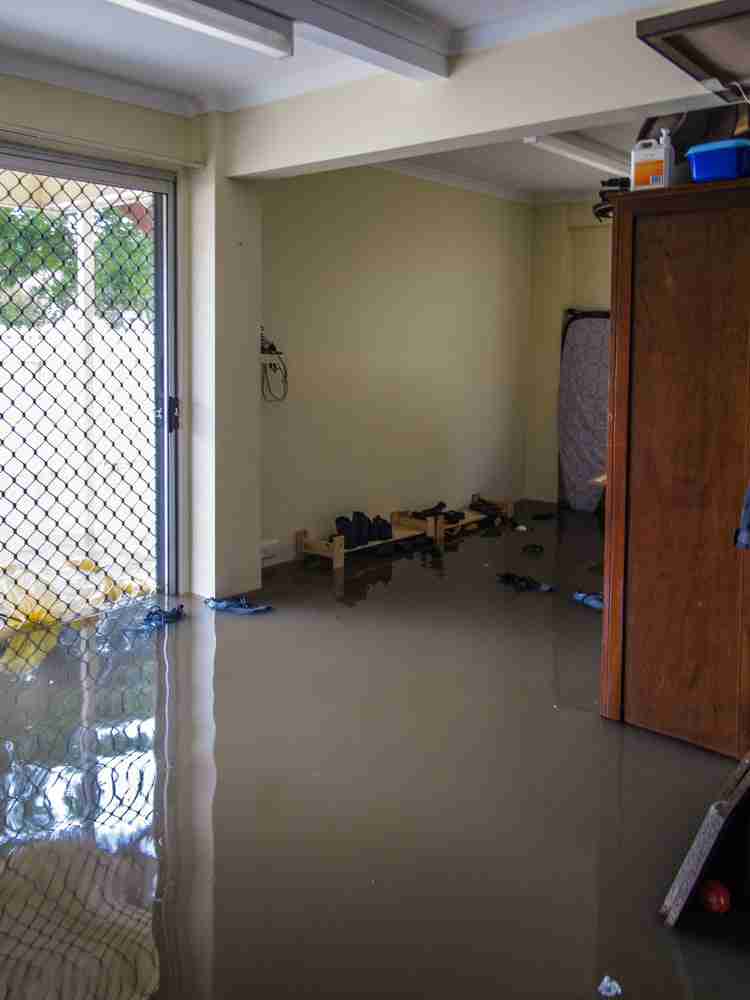
Not all water damage situations are the same. Some require immediate, around-the-clock response, while others allow for scheduled repair. At AAA Restoration, one of the most common questions we receive is whether a situation qualifies as emergency water damage or non-emergency water damage.
Understanding the difference helps property owners make faster, smarter decisions. More importantly, it helps prevent unnecessary damage, higher costs, and safety risks. Below, we explain how restoration priorities differ and when water damage should be addressed immediately.
Key Takeaways:
- Emergency water damage requires immediate action to prevent severe structural loss and safety hazards.
- Non-emergency water damage still requires professional restoration, but allows for a planned response.
- Delayed water damage response increases repair costs and the risk of mold.
- A professional water damage assessment determines urgency and next steps.
- AAA Restoration Utah provides 24/7 emergency water damage restoration in Salt Lake County and across Utah.
Why Water Damage Severity Determines Restoration Priority
Water damage severity plays a major role in determining how quickly restoration must begin. While any water intrusion is severe, some situations escalate rapidly and create unsafe conditions.
Severity depends on:
- The amount of water involved
- How fast is the water spreading
- Whether the water source is ongoing
- The materials affected
A professional water damage assessment helps determine whether the situation is urgent or can be addressed on a non-emergency timeline.
What Qualifies as Emergency Water Damage
Emergency water damage refers to situations where immediate action is necessary to protect the property and occupants. These events often cause rapid destruction and safety hazards.
Emergency water damage typically includes:
- Burst or broken pipes
- Flooding from storms or plumbing failures
- Sewage backups
- Active roof leaks during storms
- Water affecting electrical systems
In these cases, emergency water damage restoration should begin immediately.
Why Emergency Water Damage Requires Immediate Action
Emergency water damage spreads quickly. Within minutes, water can soak floors, walls, and structural materials. If left untreated, damage escalates rapidly.
Immediate action is required because:
- Structural materials absorb water fast
- Electrical hazards may develop
- Mold growth can begin within 24–48 hours
- Water can spread to unaffected areas
This is why 24/7 water damage restoration in Utah is critical during emergencies.
What Is Non-Emergency Water Damage
Non-emergency water damage involves slower, contained situations that do not pose immediate safety risks. However, this does not mean they should be ignored.
Common non-emergency water damage includes:
- Slow plumbing leaks
- Minor appliance leaks
- Small, contained overflows
- Past water damage that is no longer active
Although the response may not be urgent, water damage repair and cleanup are still necessary.
Why Non-Emergency Water Damage Still Needs Professional Restoration
Even when water damage is not urgent, it still causes hidden problems. Moisture can remain trapped behind walls, under floors, or inside insulation.
Over time, a delayed response leads to:
- Mold growth
- Structural weakening
- Odors and indoor air quality issues
- Higher restoration costs
Professional water damage restoration ensures these issues are addressed correctly.
Emergency vs Non-Emergency Water Damage: Key Differences
Understanding the difference between emergency and non-emergency water damage helps property owners respond appropriately.
Emergency Water Damage
- Active water intrusion
- Rapid spreading
- Safety risks present
- Requires immediate cleanup
Non-Emergency Water Damage
- The water source is controlled
- Damage is localized
- No immediate hazards
- Can be scheduled quickly
Both require professional restoration, but timelines differ.

How to Tell If Water Damage Is Urgent
Many property owners are unsure how to tell if water damage is urgent. Fortunately, there are clear indicators.
Water damage is urgent if:
- Water is actively flowing
- Large areas are affected
- Ceilings or walls are sagging
- Electrical systems are exposed
- Sewage or contaminated water is involved
If any of these are present, contact emergency water cleanup in Salt Lake City immediately.
Should Water Damage Be Addressed Immediately Every Time?
In most cases, yes. Even non-emergency water damage should be addressed promptly. Delaying response increases damage severity and restoration costs.
Immediate attention:
- Limits moisture spread
- Reduces mold risk
- Preserves building materials
- Simplifies repairs
This is why professional water damage restoration is always recommended.
Risks of Delaying Water Damage Restoration
Delaying restoration allows moisture to remain inside the structure. Over time, this causes hidden damage that is costly to fix.
Risks include:
- Mold contamination
- Structural deterioration
- Flooring and drywall replacement
- Electrical safety hazards
- Insurance complications
A delayed water damage response often turns a minor issue into a major repair.
How Insurance Coverage Differs for Emergency vs Non-Emergency Water Damage
Insurance coverage often depends on how quickly water damage is addressed and whether it is classified as an emergency. When water damage is considered urgent and reported immediately, insurance providers are more likely to approve coverage for emergency water damage restoration services.
In contrast, untreated non-emergency water damage may raise questions about neglect or a delayed response. This can lead to reduced claim payouts or to coverage being denied altogether. Addressing water damage promptly and documenting professional restoration efforts helps protect both your property and your insurance claim.
How AAA Restoration Utah Prioritizes Water Damage Calls
At AAA Restoration Utah, we prioritize calls based on severity and safety. Emergency water damage situations receive immediate response, day or night.
Our process includes:
- Rapid water damage assessment
- Emergency extraction and drying
- Structural drying and monitoring
- Water damage repair and cleanup
Learn more about our Water Damage Restoration Services.
Why Utah Homes Need Fast Water Damage Response
Utah homes face unique risks due to seasonal weather and plumbing systems. Freezing temperatures, spring runoff, and sudden storms increase the likelihood of water damage.
This makes emergency water damage restoration in Utah especially important. A fast response helps prevent long-term damage and mold growth.
Conclusion: Restoration Priorities Matter
Emergency vs non-emergency water damage situations require different response timelines. However, both demand professional attention. Ignoring or delaying restoration always leads to higher costs and greater damage.
If you are unsure about the severity, it is safer to treat water damage as urgent. A professional assessment ensures the right response at the right time.
Frequently Asked Questions (FAQs)
When is water damage considered an emergency?
Water damage is considered an emergency when it poses an immediate risk to the structure or occupants. This includes active flooding, burst pipes, sewage backups, or water reaching electrical systems. These situations require immediate professional response to prevent rapid damage and safety hazards.
What is the difference between emergency and non-emergency water damage?
Emergency water damage involves active water intrusion and rapid spread, requiring immediate action. Non-emergency water damage is contained and no longer active, but still needs restoration. Both situations require professional water damage cleanup, but response timing differs.
Can non-emergency water damage wait for repairs?
While non-emergency water damage does not require immediate response, it should still be addressed quickly. Delaying repairs increases the risk of mold growth, structural damage, and higher costs. Scheduling restoration promptly is always recommended.
How fast does water damage get worse?
Water damage begins to worsen immediately. Within hours, materials absorb moisture. Within 24–48 hours, mold can begin to grow. This is why timely water damage restoration is critical, even for smaller issues.
Who should I call for emergency water damage in Utah?
For emergency water damage in Utah, contact a company that offers 24/7 response and professional restoration services. AAA Restoration Utah provides emergency water cleanup and full restoration across Salt Lake County and surrounding areas.
24/7 Emergency Water Damage Restoration in Utah
If your home or business is experiencing water damage, don’t guess. AAA Restoration Utah provides trusted 24/7 emergency water damage restoration in Salt Lake County and surrounding areas.
Contact us today for emergency water cleanup or to schedule a professional water damage assessment.