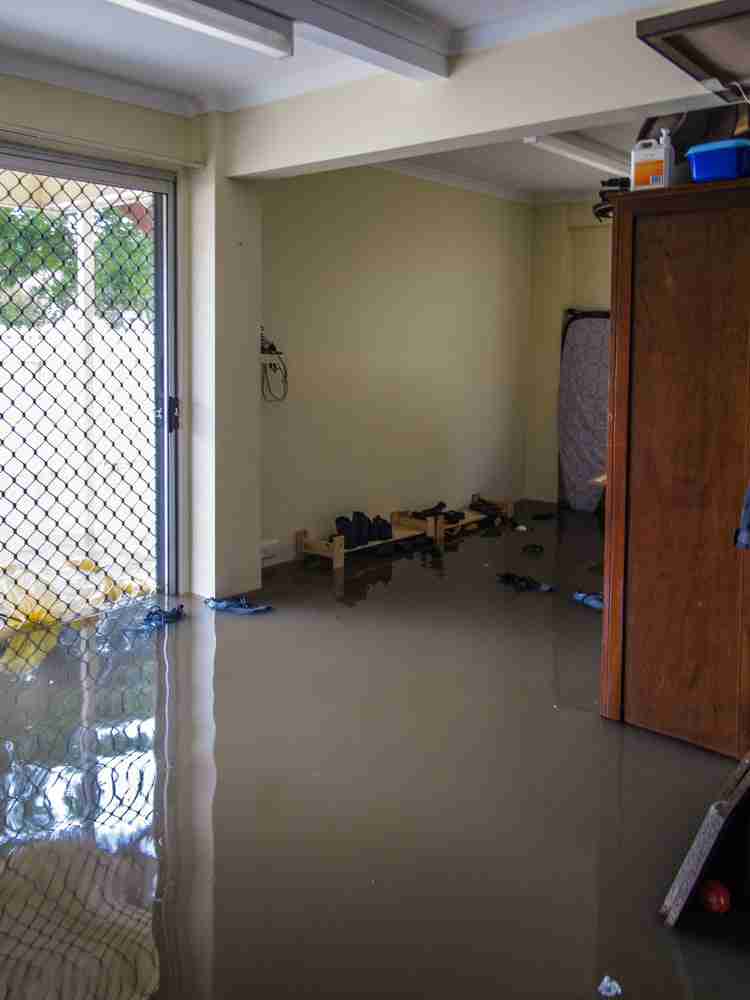
Before beginning the cleanup process after a flood, it is crucial to prioritize safety. The aftermath of a flood can present various hazards, so taking precautions is essential to avoid accidents and health risks. Firstly, it is important to turn off the electricity and gas supply to the affected area to prevent the risk of electrocution or gas leaks. Additionally, wearing protective gear such as rubber gloves, boots, and a face mask is essential to protect yourself from contaminated water and airborne particles. It is also advisable to have a first aid kit on hand in case of any minor injuries during the cleanup process.
Furthermore, it is important to be cautious of structural damage to the property. Inspect the building for any signs of structural instability before entering, and be mindful of any weakened floors, walls, or ceilings. If there is any doubt about the safety of the building, it is best to wait for a professional assessment before entering. Lastly, be mindful of potential contaminants in the floodwater, such as sewage, chemicals, or other hazardous substances. Avoid direct contact with the water and wash your hands thoroughly with soap and clean water if you come into contact with it. By taking these precautions, you can ensure a safer cleanup process and minimize the risk of accidents or health issues.
Assessing the Damage: Steps to Evaluate the Extent of the Flood Damage
After ensuring safety measures are in place, the next step in the flood cleanup process is to assess the extent of the damage. This involves a thorough evaluation of the affected areas to determine the scope of the cleanup and restoration efforts required. Start by documenting the damage through photographs or videos for insurance purposes. This will provide evidence of the extent of the damage and help with the insurance claims process. Next, conduct a comprehensive inspection of the property, including the structure, interior, and belongings. Look for signs of water damage such as water stains, discoloration, warping, or mold growth on walls, floors, and ceilings.
It is also important to check for any damage to electrical systems, appliances, and HVAC systems. Water can cause significant damage to these systems, posing a risk of electrical hazards or malfunctions if not properly addressed. Additionally, assess the condition of furniture, carpets, and personal belongings to determine what can be salvaged and what will need to be discarded. Pay attention to any foul odors, which may indicate mold or mildew growth. By conducting a thorough assessment of the damage, you can gain a clear understanding of the scope of the cleanup and restoration efforts required, which will help in developing an effective plan for recovery.
Removing Water and Drying Out: Techniques for Efficient Water Extraction and Drying
Once the damage has been assessed, the next crucial step in flood cleanup is to remove standing water and initiate the drying process. Efficient water extraction is essential to prevent further damage and minimize the risk of mold growth. Depending on the extent of the flooding, this may require the use of pumps, wet vacuums, or other water extraction equipment. It is important to remove as much water as possible from the affected areas, including basements, crawl spaces, and other hard-to-reach areas where water may accumulate.
After water extraction, thorough drying is essential to eliminate moisture and prevent mold growth. Open windows and doors to promote air circulation and use fans and dehumidifiers to expedite the drying process. It is also important to remove any wet materials such as carpets, insulation, or damaged drywall to facilitate drying and prevent mold growth. Monitor the humidity levels in the affected areas and ensure they are maintained at an optimal level to promote efficient drying. By employing these techniques for water extraction and drying, you can effectively mitigate further damage and create a conducive environment for the restoration process.
Salvaging Belongings: Tips for Restoring and Cleaning Flood-Damaged Items
Floods can cause significant damage to personal belongings such as furniture, clothing, documents, and sentimental items. However, with prompt action and proper techniques, many items can be salvaged and restored. Start by sorting through the affected belongings and separating salvageable items from those that are beyond repair. Items made of non-porous materials such as glass, metal, or hard plastics are generally easier to clean and restore compared to porous materials like fabric or wood.
For non-porous items, clean them with a disinfectant solution to remove any contaminants and sanitize them thoroughly. Allow them to air dry completely before returning them to the restored area. Porous materials may require more extensive cleaning and drying efforts. For example, fabric items can be laundered with hot water and detergent or sent for professional dry cleaning. Wooden furniture may need to be cleaned with a wood cleaner and thoroughly dried to prevent warping or mold growth. It is important to act quickly to prevent mold from developing on these items. By following these tips for restoring and cleaning flood-damaged items, you can salvage many of your belongings and minimize losses.
Preventing Mold and Mildew: Strategies for Mold Prevention and Remediation
One of the most significant challenges after a flood is preventing mold and mildew growth. Mold can start to develop within 24-48 hours after a flood, posing health risks and causing further damage to the property. To prevent mold growth, it is essential to thoroughly dry out the affected areas as quickly as possible. Use dehumidifiers and fans to reduce moisture levels and promote air circulation. Additionally, consider using mold inhibitors or antimicrobial solutions to treat surfaces and prevent mold growth.
It is also important to remove any wet materials that cannot be effectively dried, such as carpet padding or insulation, as they can harbor mold spores. Thoroughly clean and disinfect all surfaces with a solution of water and detergent or a commercial disinfectant to remove any contaminants that can promote mold growth. If mold has already developed, it is crucial to address it promptly through remediation efforts. This may involve hiring professional mold remediation services to safely remove and treat mold-infested areas. By implementing these strategies for mold prevention and remediation, you can effectively mitigate the risk of mold growth and create a healthier environment in the aftermath of a flood.
Restoring the Home: Steps for Repairing and Rebuilding After a Flood
| Steps for Repairing and Rebuilding After a Flood | Key Metrics |
|---|---|
| Assessing the Damage | Extent of water damage, structural damage, mold growth |
| Water Extraction | Amount of water removed, drying time |
| Structural Repairs | Materials needed, cost of repairs |
| Mold Remediation | Extent of mold growth, remediation techniques |
| Rebuilding | Timeline for reconstruction, cost of rebuilding |
After addressing safety concerns, assessing the damage, removing water, salvaging belongings, and preventing mold growth, the next phase in flood cleanup is restoring the home. This involves repairing and rebuilding damaged areas to return the property to its pre-flood condition. Start by prioritizing structural repairs to ensure the safety and stability of the building. This may involve repairing damaged foundations, walls, roofs, or other structural components that have been compromised by the flood.
Next, focus on restoring interior spaces by replacing damaged drywall, insulation, flooring, and other materials that cannot be salvaged. It is important to work with qualified contractors who have experience in flood restoration to ensure that repairs are done effectively and safely. Additionally, consider upgrading building materials or implementing flood-resistant measures to reduce the risk of future flood damage. Finally, take steps to restore utilities such as electricity, plumbing, and HVAC systems to ensure that the home is fully functional once again. By following these steps for repairing and rebuilding after a flood, you can restore your home to a safe and habitable condition.
Seeking Professional Help: When to Call in the Experts for Flood Cleanup Assistance
While many aspects of flood cleanup can be addressed through DIY efforts, there are certain situations where it is best to seek professional help. If the extent of the damage is significant or if there are safety concerns such as structural instability or electrical hazards, it is advisable to enlist the expertise of professional flood cleanup services. These professionals have the knowledge, experience, and equipment necessary to handle large-scale flood cleanup projects safely and effectively.
Additionally, if there is extensive mold growth or contamination from hazardous substances in the floodwater, it is best to leave remediation efforts to professionals who have the training and protective gear required for handling such situations. Professional flood cleanup services can also provide comprehensive water extraction and drying services using specialized equipment that may not be readily available for DIY efforts. By knowing when to call in the experts for flood cleanup assistance, you can ensure that the cleanup process is handled efficiently and safely, leading to a successful restoration of your property.
In conclusion, dealing with the aftermath of a flood can be overwhelming, but by taking proper precautions for safety, assessing the damage thoroughly, removing water efficiently, salvaging belongings effectively, preventing mold growth proactively, restoring the home diligently, and seeking professional help when necessary, you can navigate through the flood cleanup process with confidence and resilience. While it may be a challenging journey, with patience and perseverance, you can restore your home and move forward from this difficult experience.
Looking for more information on flood cleanup and water damage repairs? Check out AAA Restoration’s article on “When is it Okay to Perform DIY Water Damage Repairs?” for insights into when you can tackle the cleanup yourself and when it’s best to call in the professionals. Additionally, their piece on “The Process of Restoring Your Home After Water Damage” provides a comprehensive overview of the steps involved in restoring your home after a water-related disaster. And if you’re dealing with a burst pipe flooding your house, their article “What to Do When You Have a Burst Pipe Flooding Your House” offers valuable tips and guidance on how to handle this urgent situation. Learn more here.
FAQs
What is flood cleanup?
Flood cleanup refers to the process of removing water, mud, debris, and other contaminants from a property after a flood event. It also involves drying out the affected area and restoring it to a safe and habitable condition.
What are the steps involved in flood cleanup?
The steps involved in flood cleanup typically include water extraction, drying and dehumidification, cleaning and sanitizing, and restoration of the property. It may also involve mold remediation and repairs to damaged structures.
Why is flood cleanup important?
Flood cleanup is important to prevent further damage to the property, minimize health risks associated with contaminated water and mold growth, and restore the affected area to a safe and livable condition.
What are the health risks associated with flood cleanup?
Health risks associated with flood cleanup include exposure to contaminated water, mold, and other pathogens. It is important to use proper protective gear and follow safety guidelines during the cleanup process.
Can I do flood cleanup on my own?
While some minor cleanup tasks can be done by homeowners, it is recommended to hire professional flood cleanup services for larger or more severe flood damage. Professional cleaners have the expertise and equipment to handle the cleanup effectively and safely.
How long does flood cleanup take?
The duration of flood cleanup depends on the extent of the damage and the size of the affected area. It can range from a few days to several weeks, especially if there is significant structural damage or mold growth.