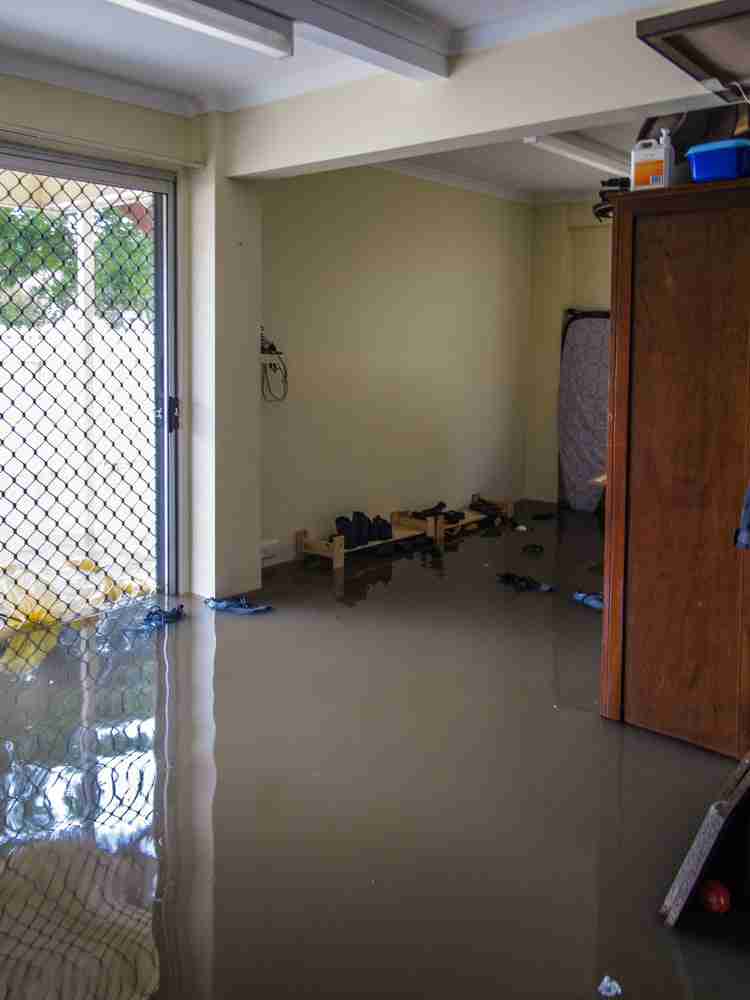
Water damage is often more extensive than homeowners initially realize. Many people assume that a leak or flood will only affect the room where it started. However, that is rarely the case. In fact, can water damage spread to other rooms is one of the most common questions homeowners ask after discovering water damage.
At AAA Restoration, we have seen water travel far beyond the original source. Whether the problem starts with a burst pipe, an appliance leak, a roof leak, or a basement flood, moisture can move through walls, ceilings, floors, and insulation. As a result, multiple areas of your home may become affected before visible signs appear.
Understanding how water damage spreads can help homeowners act quickly, minimize damage, and avoid costly repairs.
Key Takeaways
- Water damage can spread far beyond the room where it starts.
- Moisture often travels through walls, ceilings, flooring, and insulation.
- Hidden water damage can lead to mold growth and structural issues.
- Fast water damage mitigation helps prevent secondary damage.
- Professional moisture detection can identify affected areas before damage worsens.
- Immediate restoration services can reduce repair costs and recovery time.
Can Water Damage Spread to Other Rooms?
Many homeowners are surprised to learn that water rarely stays in one location. Water naturally follows the path of least resistance. Therefore, it can travel through building materials and spread throughout a property.
Even a small plumbing leak can create hidden moisture behind walls. Over time, that moisture may move into adjacent rooms, ceilings below, or flooring throughout the home. Consequently, damage often becomes more widespread than expected.
At AAA Restoration, we frequently find water damage affecting multiple rooms, even when homeowners initially believed the issue was isolated. This is why immediate water damage restoration is so important.
How Water Damage Spreads Through a House
Water can move through a home surprisingly fast. Although homeowners may only see visible damage in one area, hidden moisture often travels much farther. Therefore, understanding water migration is critical.
Water commonly spreads through:
- Drywall
- Wood framing
- Ceiling cavities
- Flooring systems
- Insulation
- Subfloors
For example, a leaking pipe inside a wall may saturate insulation and framing. As moisture accumulates, it can move horizontally and vertically. Eventually, water may reach neighboring rooms or even lower levels of the home.
This type of hidden moisture intrusion often goes unnoticed until significant damage has occurred.
Can Water Damage Travel Through Walls and Ceilings?
Walls and ceilings are some of the most common pathways for water migration. Unfortunately, these areas can conceal moisture for long periods. As a result, damage may continue spreading without visible warning signs.
Drywall is highly absorbent. Once water enters a wall cavity, it can soak insulation and wood framing. Eventually, the moisture may move into nearby rooms.
Similarly, ceiling water damage often spreads downward due to gravity. A leak in an upstairs bathroom may eventually cause staining, sagging, or structural damage in rooms below.
This is why professional moisture detection equipment is essential. At AAA Restoration, we use advanced tools to identify hidden water damage before it becomes a larger problem.
How Fast Does Water Damage Spread?
Within the first few hours:
- Drywall begins absorbing moisture.
- Flooring starts swelling.
- Furniture becomes saturated.
Within 24 to 48 hours:
- Mold growth may begin.
- Wood framing can weaken.
- Hidden moisture spreads further.
Within several days:
- Structural water damage becomes more likely.
- Odors develop.
- Repairs become more extensive and expensive.
This is why we always recommend immediate emergency water damage restoration after discovering any leak or flood.

Signs Water Damage Has Spread to Other Rooms
Water damage is not always visible right away. Therefore, homeowners should watch for warning signs that indicate moisture has migrated beyond the original affected area.
Common signs include:
- Water stains on walls or ceilings
- Peeling paint
- Bubbling drywall
- Warped flooring
- Soft spots in walls
- Musty odors
- Unexpected mold growth
- Increased humidity indoors
Sometimes, the most obvious signs appear far from the original leak source. For example, a roof leak may first become noticeable through ceiling discoloration in a bedroom.
If you notice any of these symptoms, a professional water damage inspection is recommended.
You may also find our guide on What Are the Most Common Signs of Water Damage? helpful for identifying hidden issues early.
Risks of Ignoring Water Damage
Many homeowners delay repairs because visible damage appears minor. Unfortunately, hidden moisture often continues spreading behind the scenes. As a result, small problems can quickly become major restoration projects.
Some of the biggest risks include:
Mold Growth
Mold thrives in damp environments. Once moisture becomes trapped inside walls or flooring, mold colonies may begin developing within 24 to 48 hours.
To learn more, homeowners can read our article on How Fast Does Mold Grow After Water Damage?
Structural Damage
Water weakens building materials over time. Wood framing, drywall, and subfloors may lose strength as moisture persists.
Higher Repair Costs
The longer water remains untreated, the more expensive restoration becomes. Early intervention typically costs far less than extensive reconstruction.
Reduced Indoor Air Quality
Hidden moisture and mold can negatively affect indoor air quality. This may contribute to unpleasant odors and health concerns.
How to Stop Water Damage From Spreading
The best way to prevent secondary water damage is immediate action. Homeowners should respond as soon as water damage is discovered.
Important steps include:
- Stop the source of water.
- Remove standing water.
- Begin drying affected areas.
- Increase ventilation.
- Contact restoration professionals.
While fans and dehumidifiers may help, they often cannot address hidden moisture inside walls and flooring systems. Therefore, professional drying and dehumidification are often necessary.
At AAA Restoration, we use commercial-grade water extraction equipment and structural drying systems to stop water damage from spreading.
You may also want to read our guide on What to Do in the First 24 Hours After Water Damage for additional emergency response tips.
When to Call a Professional Water Damage Restoration Company
Some homeowners attempt to handle water damage on their own. While minor spills may be manageable, larger leaks often require professional assistance.
Professional restoration services are recommended when:
- Water has affected multiple rooms.
- Moisture is present behind walls.
- Flooring has become saturated.
- Mold growth is suspected.
- Structural damage is visible.
- Water has been present for more than 24 hours.
Our team at AAA Restoration conducts comprehensive inspections using moisture-detection equipment. This allows us to locate hidden water damage and develop an effective restoration plan.
Professional water damage mitigation not only protects your property but also helps prevent future issues.
You can also explore our Water Damage Restoration Services page to learn more about our emergency response process.
Frequently Asked Questions
Can water damage spread to other rooms in a house?
Yes, water damage can spread to other rooms through walls, ceilings, floors, insulation, and structural materials. Water follows the path of least resistance, allowing moisture to travel beyond the original source and affect nearby or lower-level rooms if not addressed quickly.
How long does it take for water damage to spread?
Water damage can begin spreading within minutes. Drywall, flooring, and insulation absorb moisture quickly, while mold may start growing within 24 to 48 hours. Immediate water extraction and drying are essential to prevent further damage and costly repairs.
Can water damage spread through walls and ceilings?
Yes, water can spread through walls and ceilings. Moisture often travels inside wall cavities, soaks insulation, and moves along framing materials. As a result, water damage may appear in rooms far from the original leak or flood source.
What are the signs that water damage has spread?
Common signs include water stains, peeling paint, warped floors, soft drywall, musty odors, increased indoor humidity, and mold growth. These warning signs often indicate hidden moisture that has spread beyond the initially affected area.
How can you stop water damage from spreading?
To stop water damage from spreading, shut off the water source, remove standing water, and begin drying affected areas immediately. Professional water damage restoration services use moisture detection, water extraction, and dehumidification equipment to eliminate hidden moisture and prevent further damage.
Protect Your Home With Fast Water Damage Restoration
Water damage rarely stays confined to one room. Instead, moisture often spreads through walls, ceilings, floors, and hidden structural components. The longer it remains untreated, the greater the risk of mold growth, structural damage, and costly repairs.
At AAA Restoration, we help homeowners throughout Utah identify hidden moisture, stop water damage from spreading, and restore their properties quickly. Our experienced team provides emergency water extraction, drying, dehumidification, and complete restoration services.
Call AAA Restoration Before Water Damage Gets Worse
If you suspect water damage has spread beyond the original affected area, don’t wait for visible signs to appear. Hidden moisture can continue causing damage long after a leak stops. Contact AAA Restoration today for a professional inspection and fast emergency water damage restoration services. Our team is available 24/7 to help protect your home and restore your peace of mind.